This is a paid partner contribution. Commercial relationships are disclosed so readers can distinguish sponsored content from editorial guides.
The end of the year often brings a shift in priorities, from holiday gatherings to travel plans. For many drivers in North Texas, this period also serves as a natural window to look closely at the condition of their vehicles. Instead of waiting for a sudden issue to arise during a trip, taking a moment to document what you see now can change how you approach repairs later.
Gathering your observations
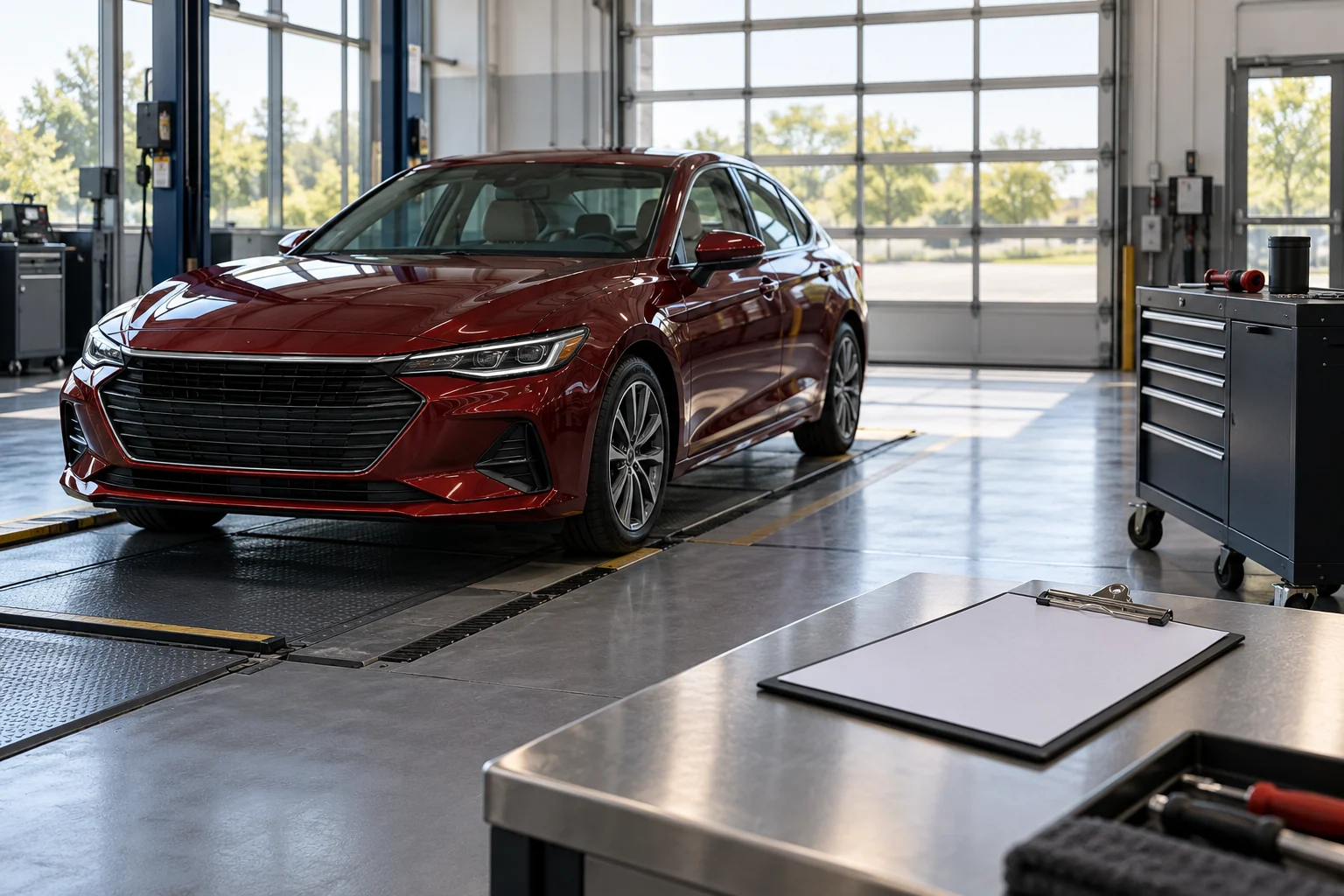
A helpful starting point is a simple walk-around of your car. Rather than looking for major faults, focus on the small details that accumulate over months of driving. Notice any surface irregularities, small indentations, or changes in the exterior finish. If you have noticed specific areas of concern, such as Prosper hail damage repair needs, writing down exactly where these marks are located can be useful.
Keep a log of when you first noticed these changes. For example, if you see a new mark on a door panel, note whether it appeared after a storm or a trip to a crowded parking lot. Having a clear record of these observations allows you to present a complete picture when you eventually seek a professional opinion.
Evaluating the scope of work
When you identify a dent or a surface imperfection, you may face a choice between different methods of correction. Some approaches focus on removing the mark while preserving the original factory finish, while others might involve more invasive steps. Understanding the specific nature of the damage is a key part of this decision.
For instance, you might encounter a situation where a small, shallow dent is visible on a flat panel. You could choose to address it immediately to maintain the vehicle's appearance, or you could wait until you have a larger list of maintenance tasks to complete. This involves a tradeoff between immediate aesthetic results and the convenience of scheduling multiple services at once. To help weigh these options, you might ask a technician what glue-pull dent repair is and how it applies to the specific depth and location of your vehicle's marks.
Preparing for your consultation
When you are ready to move from observation to action, being prepared with your documentation can streamline the process. Instead of trying to remember every detail on the spot, bring your notes or photos of the affected areas. This ensures that nothing is overlooked during the initial assessment.
Prepare a list of specific questions for the person performing the work. You might ask how they intend to approach the specific surface you described, what the expected timeline for the work looks like, and what the next steps are once the assessment is complete. By organizing your information and your questions before the year-end rush begins, you can make your vehicle maintenance decisions with greater clarity.