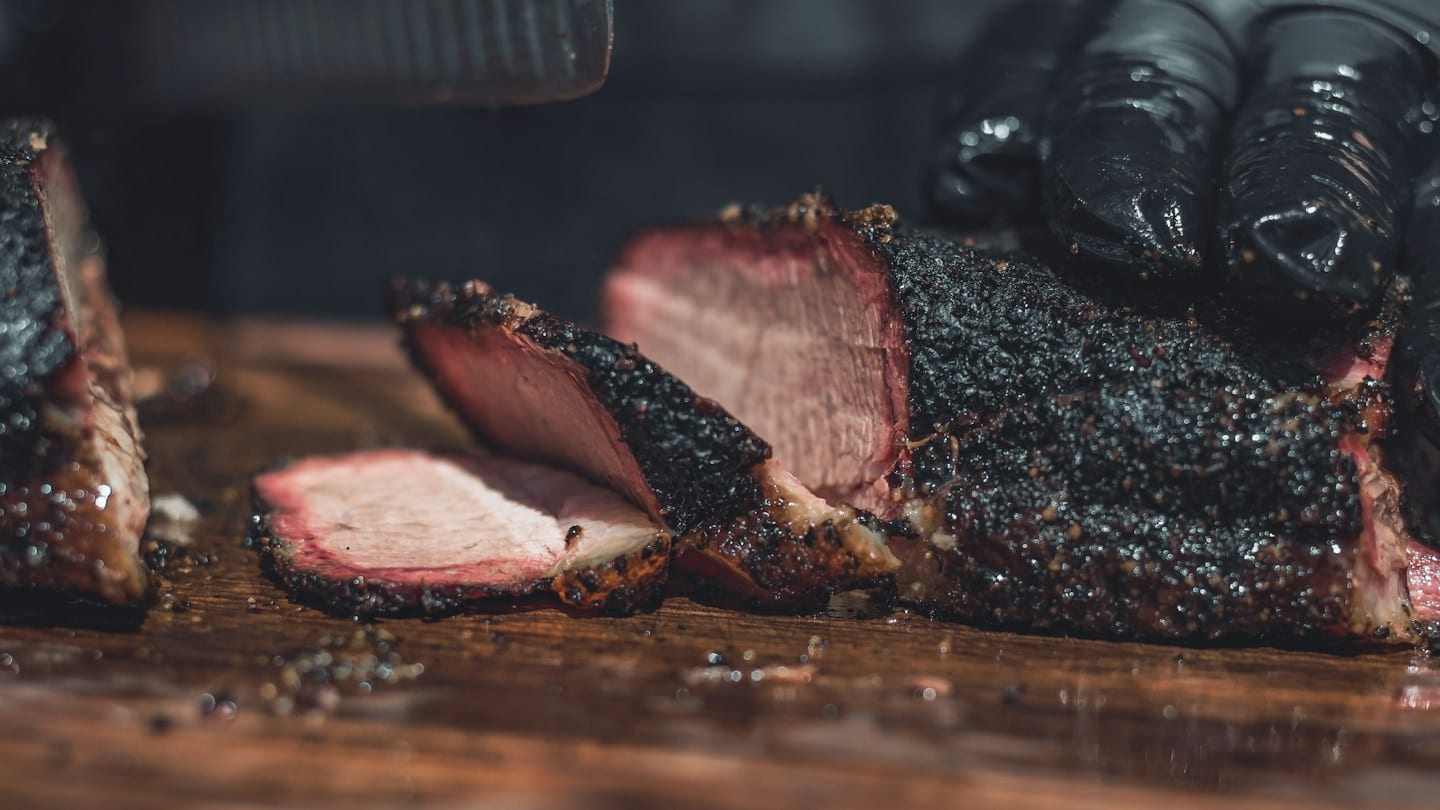
A recipe notebook is rarely a static document. While the ink might be permanent, the contents are often in flux, reflecting the changing hands, tastes, and ingredients that pass through a kitchen. For many, these collections become a physical record of a household, documenting not just how a dish was prepared in a specific year, but how it has been adapted to meet the needs of the people sitting at the table.
Capturing the evolution of flavor
When documenting a collection, there is a distinction between the original source and the current iteration. A notebook that records the original instructions alongside personal substitutions creates a layered history. If a recipe calls for a specific spice that is no longer easily found, or if a different fat is used for texture, noting that change preserves the lineage of the dish while acknowledging the present reality. Recording the diner’s response—whether a dish was a success or an experiment—adds a human dimension to the instructions.
It is important to view these notes as a personal chronicle rather than a set of verified instructions. A note stating that a certain ingredient was swapped for another is a record of preference, not a guarantee of a specific culinary outcome. The notebook serves as a diary of what happened in the kitchen, rather than a textbook of what must happen.
Balancing different kitchen priorities
Maintaining a shared culinary history can become complex when the people using the notebook hold different priorities. For some, the goal is strict adherence to a traditional method to preserve a specific memory. For others, the kitchen is a space for efficiency, modern convenience, or dietary adjustments. This creates a meaningful tradeoff between the preservation of a specific sensory experience and the practical necessity of fitting cooking into a modern schedule.
For example, if one person in a household prioritizes the exact, time-intensive techniques of a specific method, while the other prioritizes finding ways to prepare the same meal with different tools for a busy work week, the notebook becomes a site of negotiation. One person may value the specific texture that comes from a traditional technique, while the other values the ability to serve a meal during a limited window of time. The notebook can document both approaches, allowing the household to see how the dish changes depending on the person at the stove.
Organizing the kitchen archive
To manage these competing interests, the notebook can be organized to reflect both the tradition and the adaptation. You might choose to keep the original recipe on one page and use the facing page for "current iterations." This allows the history to remain intact while providing a guide for daily use. Using different colored inks or specific symbols to denote a substitution can help readers distinguish between the source material and a personal modification.
When a recipe involves complex techniques or specific equipment, ask the person who originally shared the method about the nuances of their process. If you are unsure about the implications of a significant substitution, you might consult a culinary professional to understand how that change might affect the composition of the dish. Ultimately, the most useful notebook is one that acknowledges where a recipe began and where it is currently traveling.