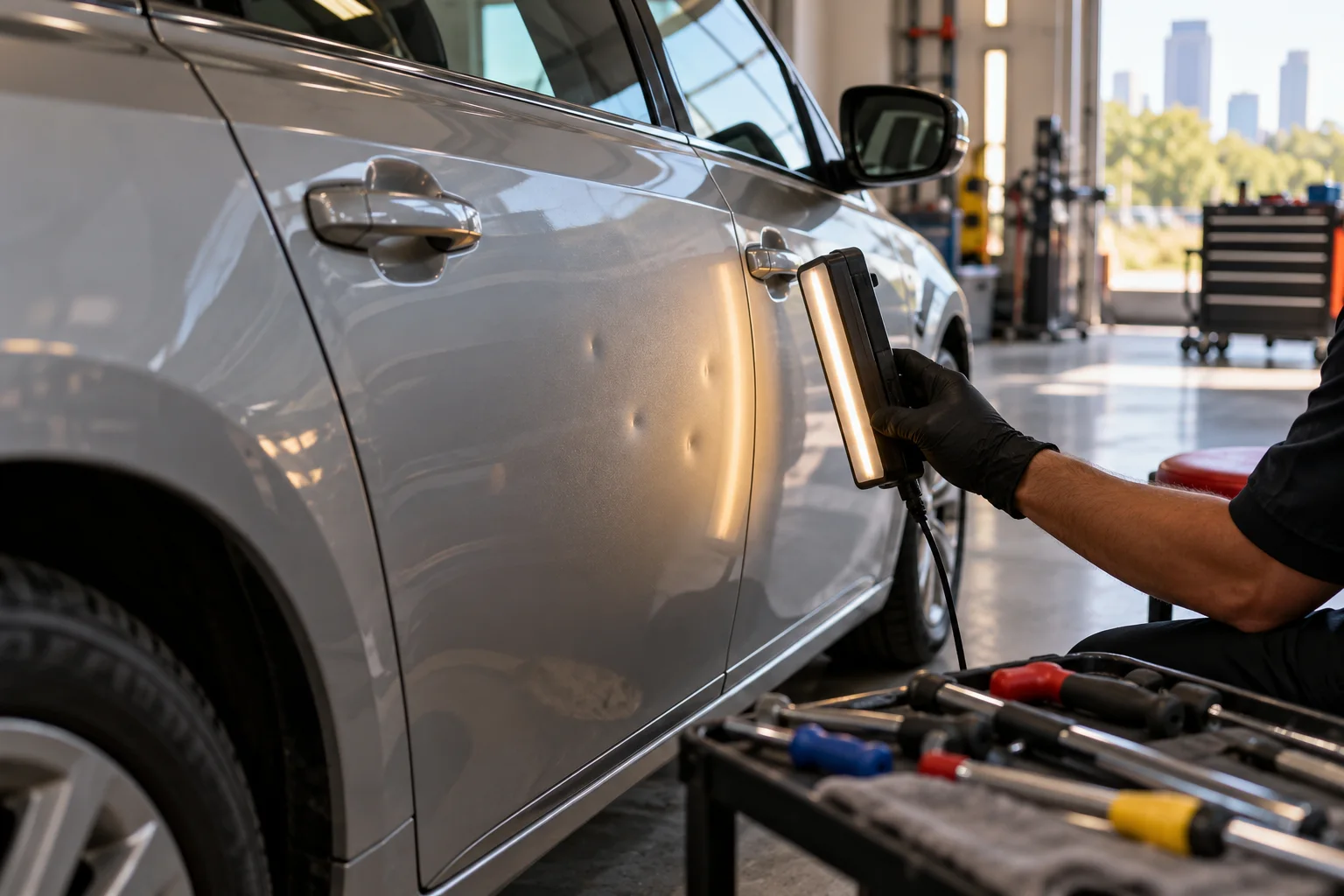
A high-resolution image of a gleaming surface or a perfectly aligned structure can feel like a promise. For many North Texas residents looking to maintain their homes or vehicles, these before-and-after photographs serve as the primary evidence of a professional's skill. A single swipe through a digital gallery might show a weathered piece of wood becoming smooth, or a tarnished metal component returning to a mirror finish. However, a photograph is a captured moment, not a complete history of the work performed.
The Limits of a Single Lens
The visual impact of a repair often relies on what the camera chooses to highlight. Lighting can mask subtle textures, and specific angles can hide imperfections that might be visible in person. A photograph shows the result, but it does not show the labor, the discarded materials, or the structural decisions made behind the scenes. While a photo demonstrates that a transformation is possible, it does not guarantee that the same outcome is achievable under your specific circumstances.
For example, if you are looking at a photo of a restored stone walkway, the image shows a beautiful, uniform color. It does not show whether the technician replaced the entire foundation or merely applied a topical coating. The tradeoff here involves choosing between a superficial aesthetic fix and a deep, structural restoration. One might be faster and less expensive, while the other addresses the root cause of the decay, yet the photo alone may make them look identical. You are left to decide if you are paying for the appearance of a fix or the substance of one.
Questions Beyond the Image
To move from admiring a portfolio to making an informed decision, you must bridge the gap between the digital image and your own property. Instead of assuming a photo represents a standard procedure, use it as a starting point for a conversation. Ask the professional how the specific conditions in their photo compare to the issues you have observed in your own items.
Consider asking the following questions to gain clarity:
- What specific steps were taken to achieve the result shown in this particular image?
- How did the technician handle any unforeseen complications that arose during that job?
- Does the method used in this photo apply to the specific materials or age of my own item?
- What part of this transformation is permanent, and what might require future attention?
Evaluating Your Own Needs
The most effective way to use a professional's gallery is to treat it as a menu of possibilities rather than a set of guarantees. When you prepare to request a quote, bring your own observations to the table. Describe the texture, the history of the item, and the specific environment it inhabits. By comparing your specific needs against the context of their previous work, you can determine if the polished results in the photos are a realistic match for your expectations. A photo is a piece of evidence, but your specific questions are what will define the scope of the work you eventually receive.


