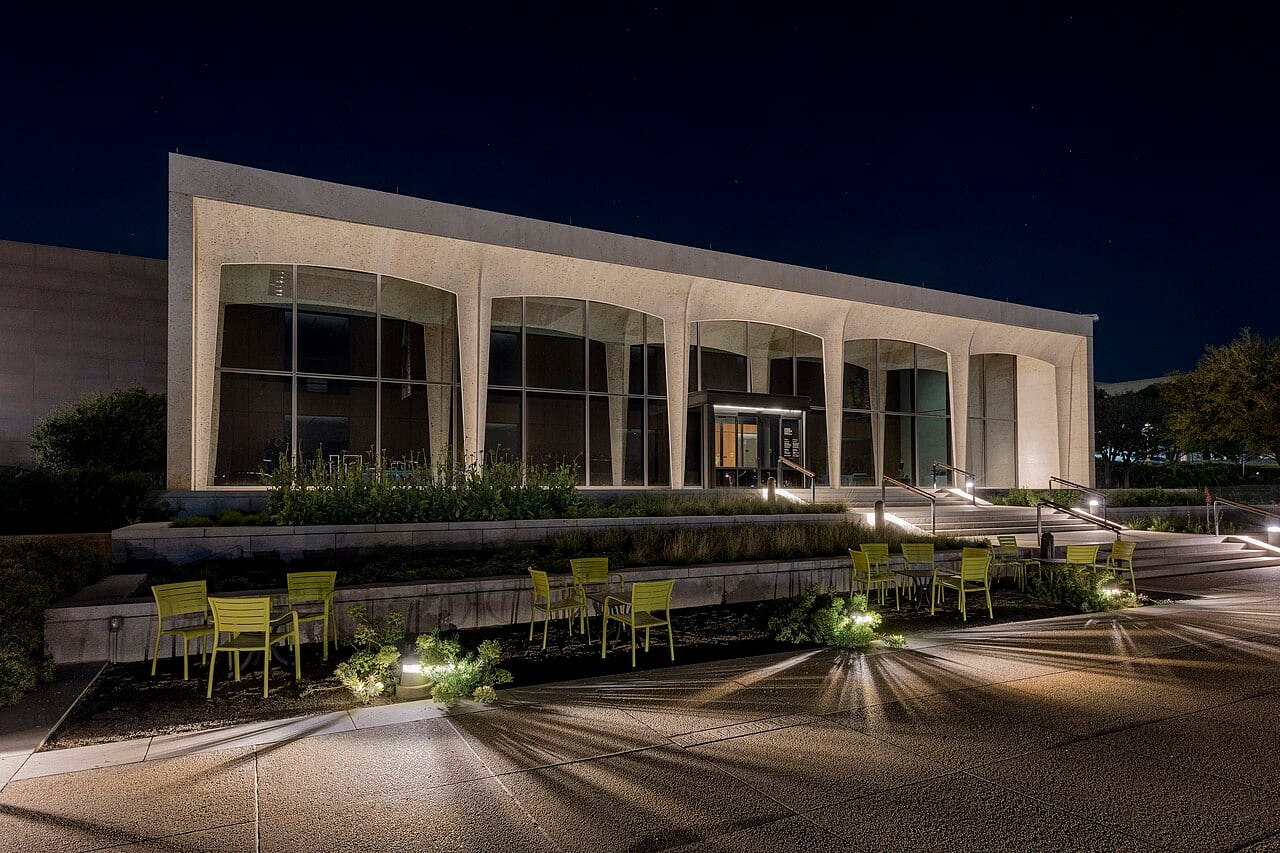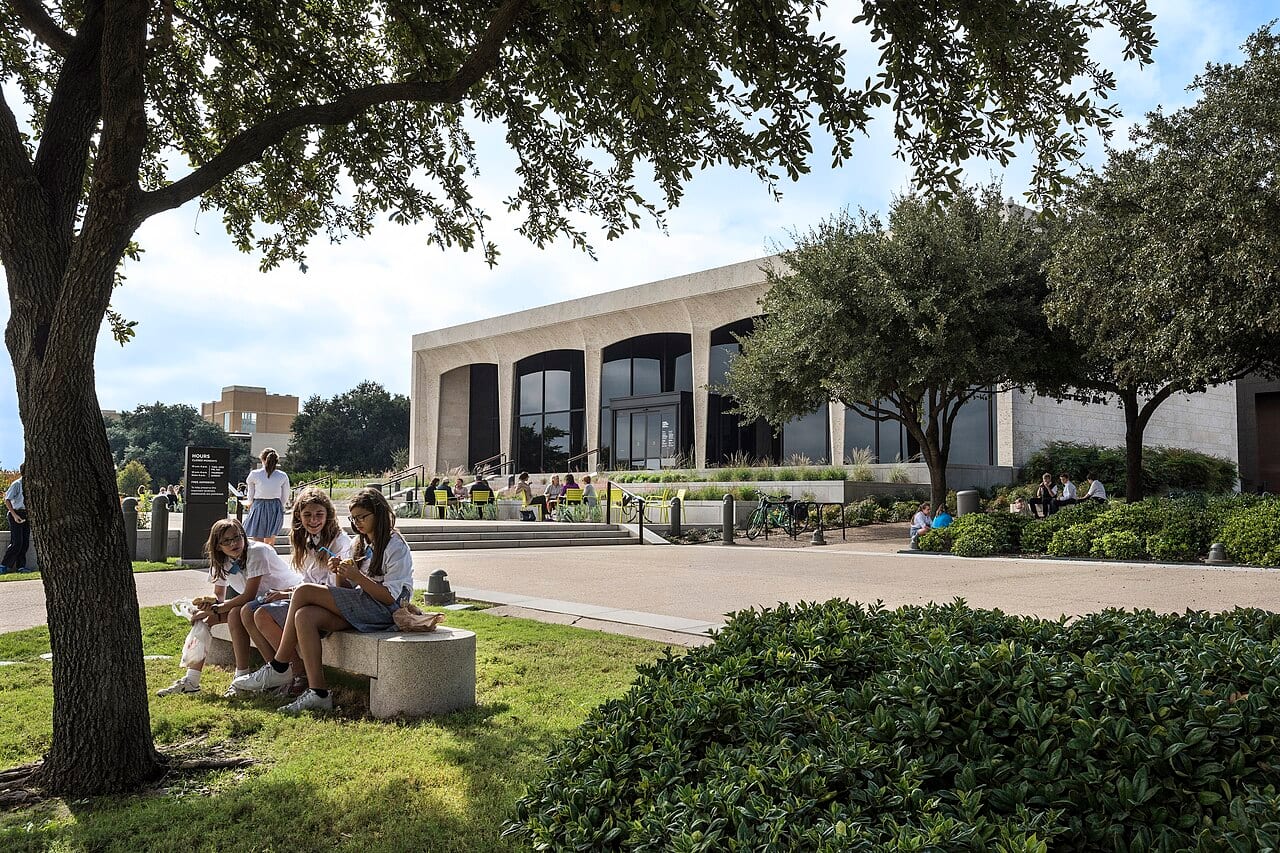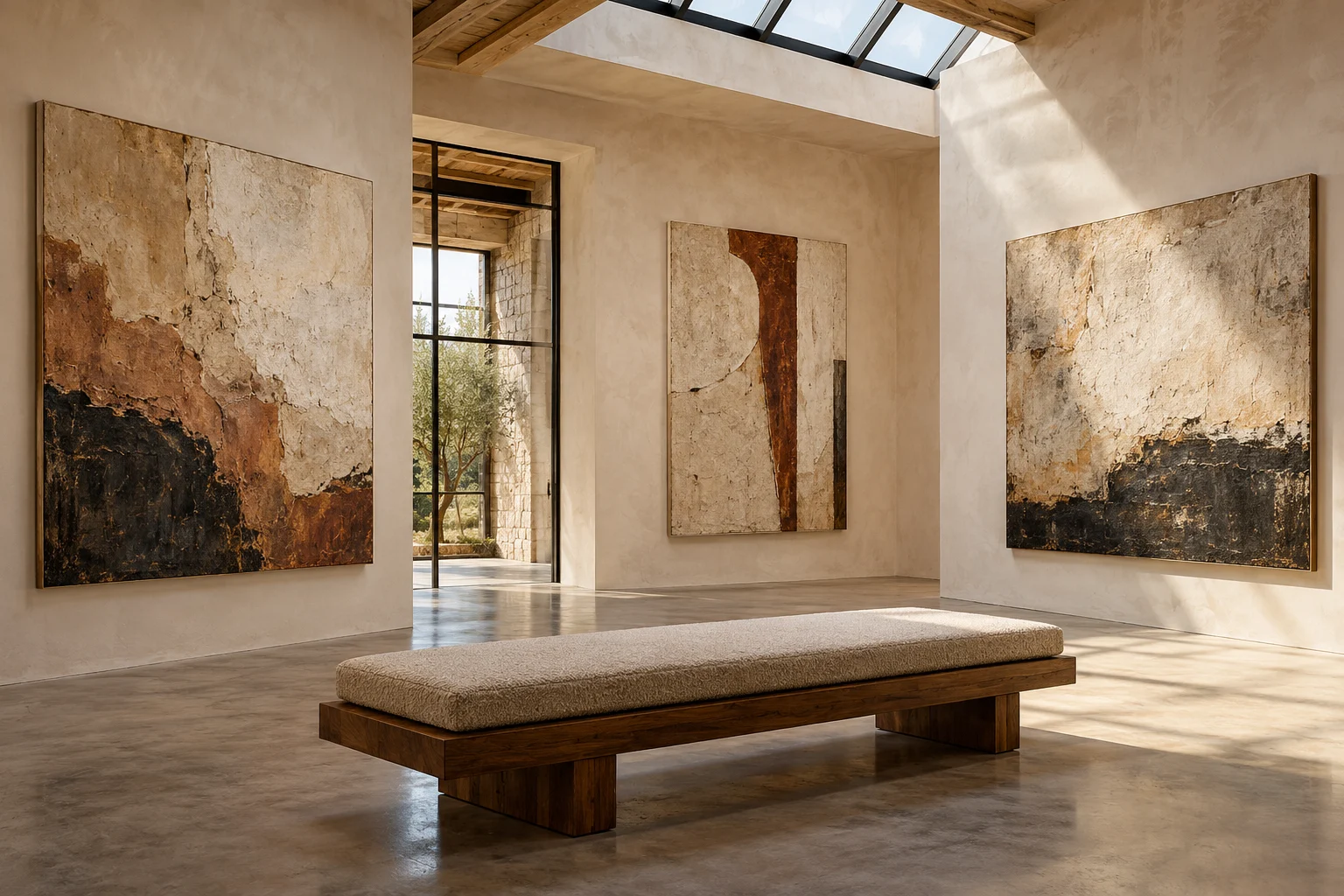
A single, well-chosen afternoon at a gallery can offer more than a month of rushed, superficial walkthroughs. As our local communities expand and the number of cultural venues grows, the pressure to complete a mental checklist of every new opening can feel like a second job. Yet, the value of an exhibition lies not in the number of pieces viewed, but in the space allowed for quiet observation.
The Weight of the Checklist
It is easy to fall into the trap of viewing art as a series of boxes to be checked. We see a headline about a new installation, note the dates, and tell ourselves we must go before it closes. This approach often leads to a frantic pace, where the eyes move quickly from one frame to the next without ever truly settling. When we treat culture as a task, we lose the ability to engage with the subtle textures, the play of light, or the specific intent behind a collection.
The tradeoff is between breadth and depth. You can visit four different shows in a single weekend, catching the highlights of each, or you can commit to one. The former provides a sense of being "in the know," while the latter provides a sense of being moved. Choosing depth requires a willingness to say no to other opportunities, a decision that feels counterintuitive in a region where new developments seem to appear overnight.
A Strategy for Selection
For example, if you find yourself staring at a list of five upcoming exhibitions, instead of trying to schedule all of them, look for the one that aligns with your current temperament. If you are seeking stillness, look for works that emphasize scale or minimalism. If you are seeking intellectual stimulation, look for exhibitions that explore complex historical narratives.
Once you have selected your target, plan for the aftermath. A meaningful visit does not end at the museum exit. It requires a period of transition—perhaps a coffee at a nearby shop or a slow walk through a park—to allow the visual information to settle into thought. Without this buffer, the next commitment or even the drive home can immediately overwrite the experience.
Refining the Experience
If you find that a specific style of work or a particular medium consistently fails to hold your attention, use that observation to refine your future choices. Rather than feeling you have "missed out," recognize that you have learned something about your own viewing preferences.
When you encounter a specialized installation or a complex multimedia piece that leaves you with lingering questions, consider reaching out to the venue. Ask the gallery staff how the curation addresses the specific themes you observed, or inquire if there are particular perspectives the artist intended to highlight. By narrowing your focus to a single exhibition, you transform a social obligation into a personal dialogue.