A smartphone camera is often the first tool used when a home project begins to take shape. We snap a photo of a cracked tile, a dated kitchen corner, or a strange shadow on a ceiling, intending to show it to a professional later. However, a disorganized gallery of hundreds of unlabelled images can lead to confusion during the consultation phase.
The Value of Visual Order
When you prepare to request a quote, the clarity of your documentation influences the quality of the information you receive. Instead of a single, sprawling folder of recent photos, consider creating a dedicated project folder. Within that folder, group your images by specific rooms and by the date they were taken. This structure allows you to track how a space looks from different angles and under varying light conditions.
By organizing your files this way, you move from presenting a chaotic collection of snapshots to offering a coherent visual history of the site. This preparation helps ensure that when you sit down with a contractor or specialist, you are both looking at the same baseline of reality.
Separating Sight from Opinion
One of the most effective ways to use photography is to distinguish between what you see and what you think it means. A photograph is a record of a physical state; an interpretation is a theory about why that state exists. For example, if you see a dark stain on a drywall, the photo captures the stain itself. The idea that the stain is caused by a specific roof leak is an interpretation.
When reviewing your photos, try to keep these two elements separate. You might take a photo of the stain and then note, "Dark discoloration near the ceiling corner," rather than, "Evidence of a leaking pipe." This approach allows the professional to use their own expertise to identify the underlying cause without being steered by your initial assumptions.
Navigating the Tradeoffs of Detail
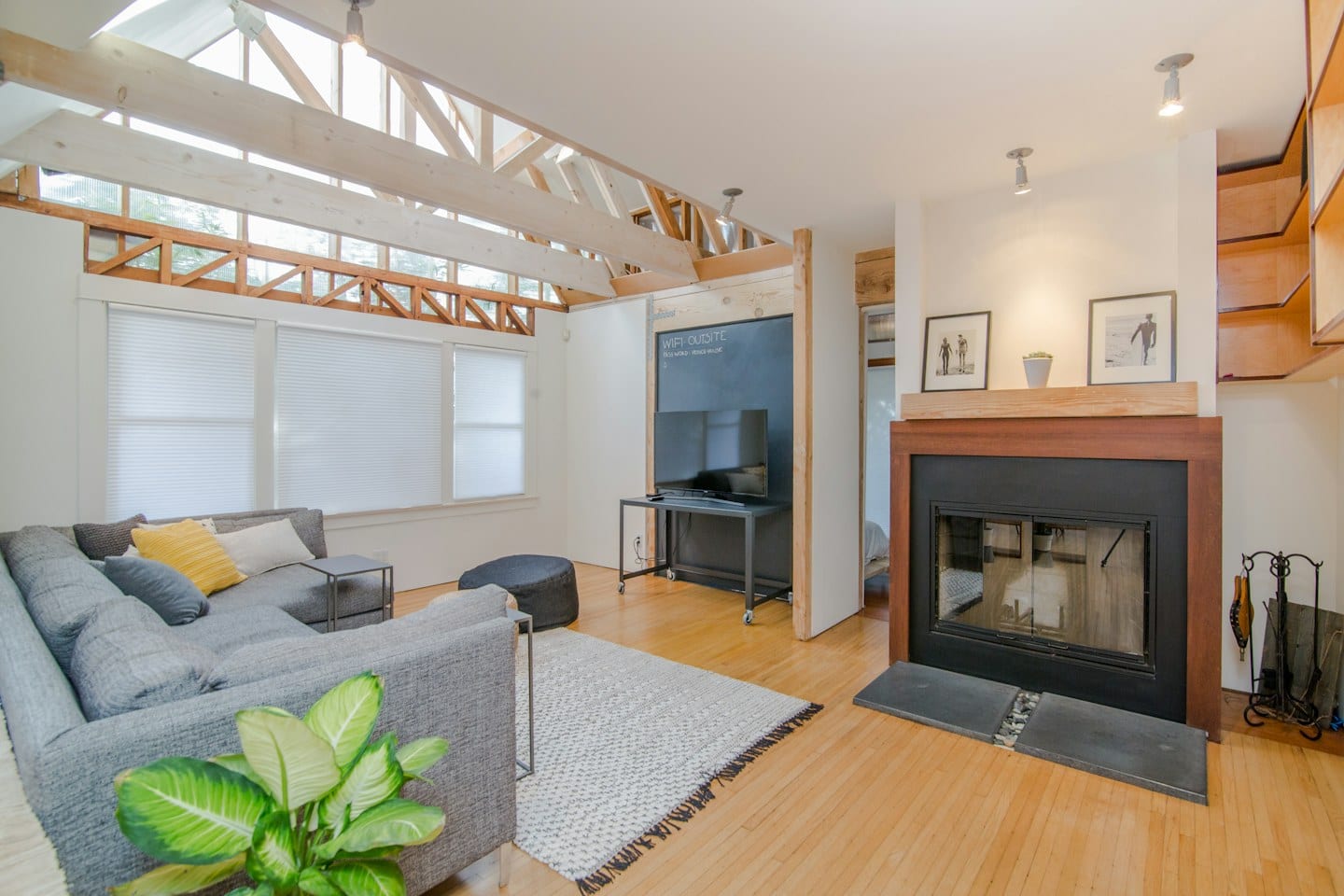
There is a meaningful tradeoff between capturing broad context and capturing minute details. A photo of an entire living room shows the scale of the space, but it may hide the specific texture of a floorboard that needs replacing. Conversely, a close-up of a single screw might be too zoomed in for a professional to understand where that screw is located in the house.
For example, if you are planning a bathroom refresh, imagine you take fifty close-up shots of different faucet components but forget to take a single wide-angle photo of the entire vanity area. The specialist may be able to discuss the hardware, but they will lack the context of the surrounding plumbing and cabinetry layout. A balanced approach involves capturing the "big picture" first, followed by a series of intentional, closer views.
Preparing Your Questions
Once your visual record is organized, use it to drive your inquiries. Rather than asking if a project is possible, ask the professional how the specific conditions captured in your photos will affect their proposed approach. Ask how the dimensions or existing features shown in your images might influence the timeline or the materials required for the job.