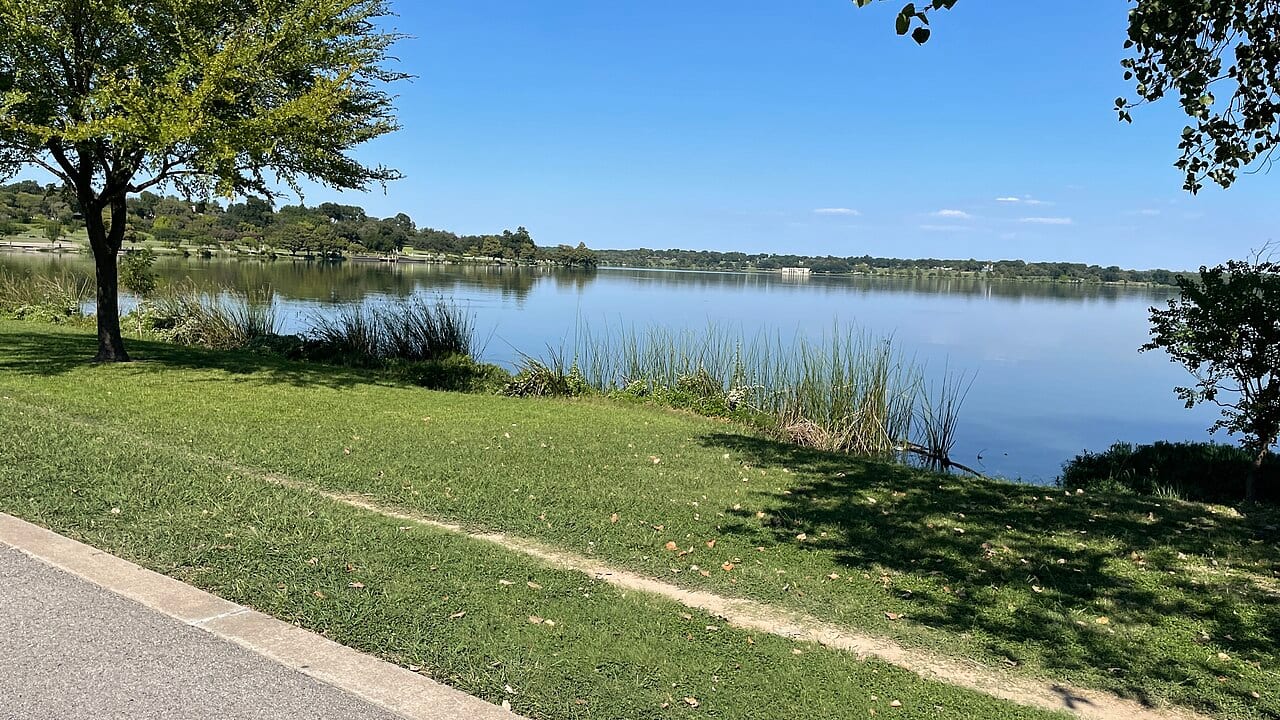
A weekend should feel like an expansion of your time, not a tightening of your schedule. Yet, for many living in our rapidly growing North Texas corridors, the transition from a structured work week to a free Saturday often feels like moving from one set of obligations to another. The tension arises when the desire for cultural engagement meets the need for genuine rest.
Navigating Conflicting Visions
The difficulty often begins before the weekend even arrives. You might receive two different descriptions of how a local outing should go. One friend describes a vibrant, high-energy afternoon exploring a new district filled with crowds and sensory input; another describes a quiet, slow-paced stroll through a shaded park or a sleepy corner of a local market. These descriptions do not quite agree, and trying to satisfy both can lead to a weekend that feels fragmented and rushed.
When faced with these mismatched expectations, the goal is not to pick a winner, but to identify a single shared priority. If the priority is simply being together, the specific activity becomes secondary to the connection. If the priority is experiencing something new, the pace becomes the variable you manage.
The Tradeoff of Energy and Access
Every outing involves a tradeoff between energy levels and ease of access. A destination that offers immense cultural variety often requires navigating more people, more noise, and more complex transit. Conversely, a location that offers immediate calm and easy parking might lack the stimulation some crave.
For example, if you are deciding between a bustling outdoor festival and a quiet botanical garden, you are weighing the richness of social atmosphere against the luxury of stillness. Instead of committing to a rigid itinerary that attempts to do both, consider choosing one primary anchor. This allows you to lean into the chosen energy level without the guilt of missing out on a secondary, conflicting plan.
Keeping Alternatives Optional
The most successful weekends are those that treat the schedule as a series of suggestions rather than a set of commands. Rather than filling every hour with a pre-planned event, build in "buffer zones." These are periods where no specific activity is required, allowing you to react to how you actually feel in the moment.
If you find yourself at a crowded event and the energy begins to wane, having an optional, low-stakes alternative—like a nearby quiet cafe or a scenic drive—prevents the outing from feeling like a chore. This approach transforms the weekend from a checklist of accomplishments into a flexible space for recovery.
To make this work, ask yourself: What is the one thing we definitely want to experience? Once that is settled, leave the rest of the map blank. By prioritizing one shared goal and leaving the subsequent hours open, you ensure that your time remains yours to command.


