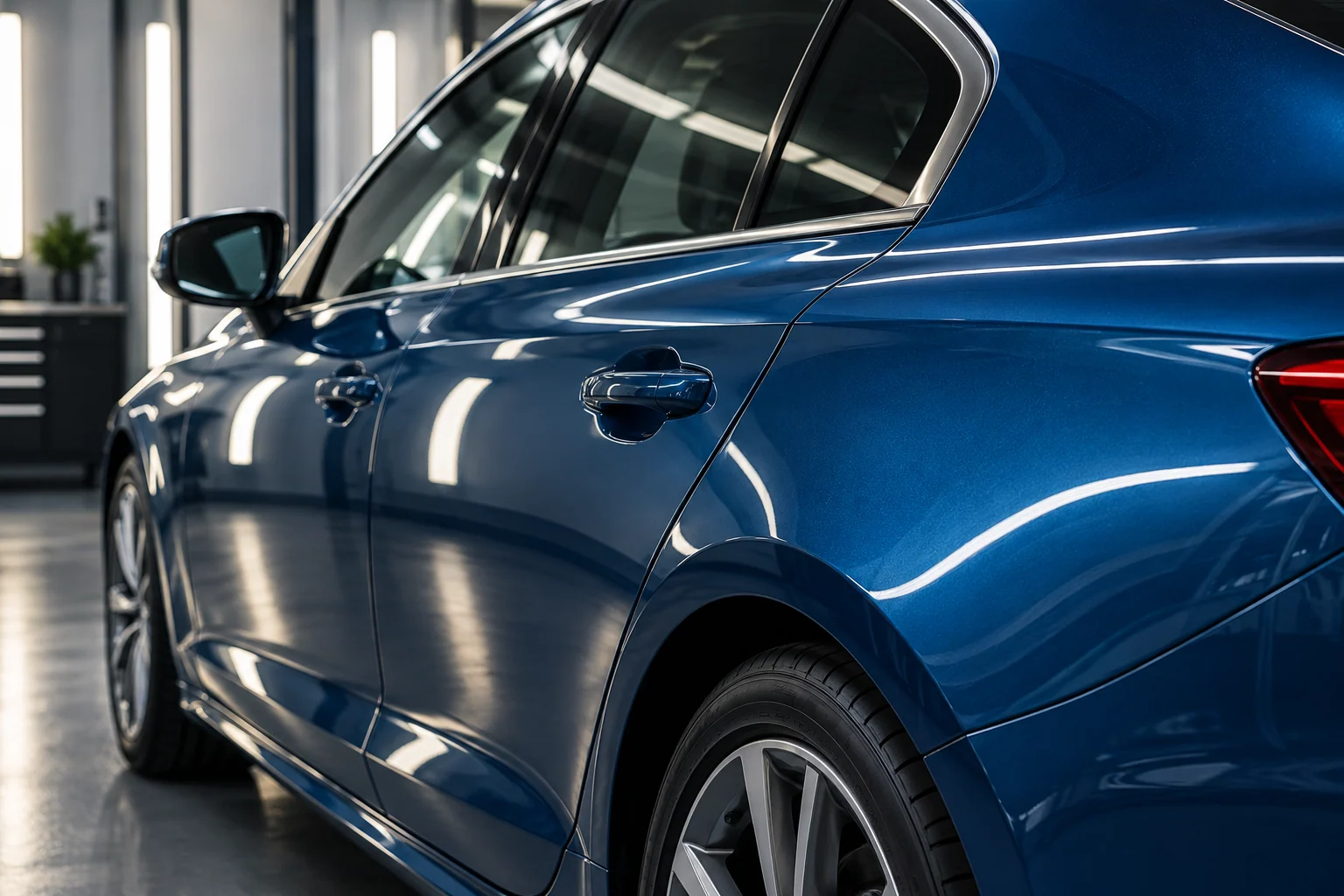
A clean vehicle is often a silent part of a professional image, especially as our North Texas communities expand and the daily commute grows longer. Whether it is a subtle scuff on a door panel or a more significant blemish on a fender, addressing cosmetic wear requires more than just a trip to the shop; it requires a shared understanding of what needs to be fixed.
The Discrepancy in Detail
The challenge often begins before a single tool is lifted. You might walk into a service center with a clear mental image of a specific scratch, only to receive two different accounts of the damage. For example, a service advisor might note a "minor surface abrasion" on a fender, while the technician performing the initial inspection describes a "deep gouge requiring structural attention."
This gap between descriptions creates a crossroads. One account suggests a quick, aesthetic touch-up, while the other implies a more intensive process. Relying on vague terminology can lead to unexpected outcomes once the work begins. When these two perspectives do not align, the priority shifts from simply fixing the car to reconciling the definitions used by the shop.
Balancing Vision and Reality
Deciding how to proceed involves a meaningful tradeoff between your desired appearance and the practicalities of the repair. You may want a finish that looks identical to the rest of the vehicle, but achieving that level of seamlessness may involve a different scope of work than a localized patch.
Imagine you are preparing for a series of professional engagements and need your vehicle to look its best. You observe a dull patch on the passenger side. The shop offers two paths: one that addresses the immediate visual blemish and another that aims for a more comprehensive restoration of the panel's finish. Choosing the former might be faster and less expensive, but it may leave a visible distinction under certain lighting conditions. Choosing the latter addresses the visual continuity but requires more time and a different level of commitment.
Refining the Scope
Rather than attempting to interpret the technical necessity of a repair, focus on the clarity of the goal. Your role is to bridge the gap between what you see and what they intend to do. Instead of debating the depth of a scratch, ask the service professional how their proposed work addresses the specific areas of concern you have identified.
To ensure everyone is working from the same blueprint, consider these questions:
- How does the proposed plan address the specific discrepancies in the damage descriptions?
- What will the final appearance look like in relation to the undamaged parts of the vehicle?
- If the scope of the work changes once the repair begins, how will that be communicated?
The most effective way to handle a conflicting report is to request a unified description of the work. Ask the shop to provide a single, consolidated summary of the intended repairs that accounts for both the advisor's and the technician's observations. By confirming the scope before the work starts, you ensure that the final result matches your expectations for the vehicle's appearance.


