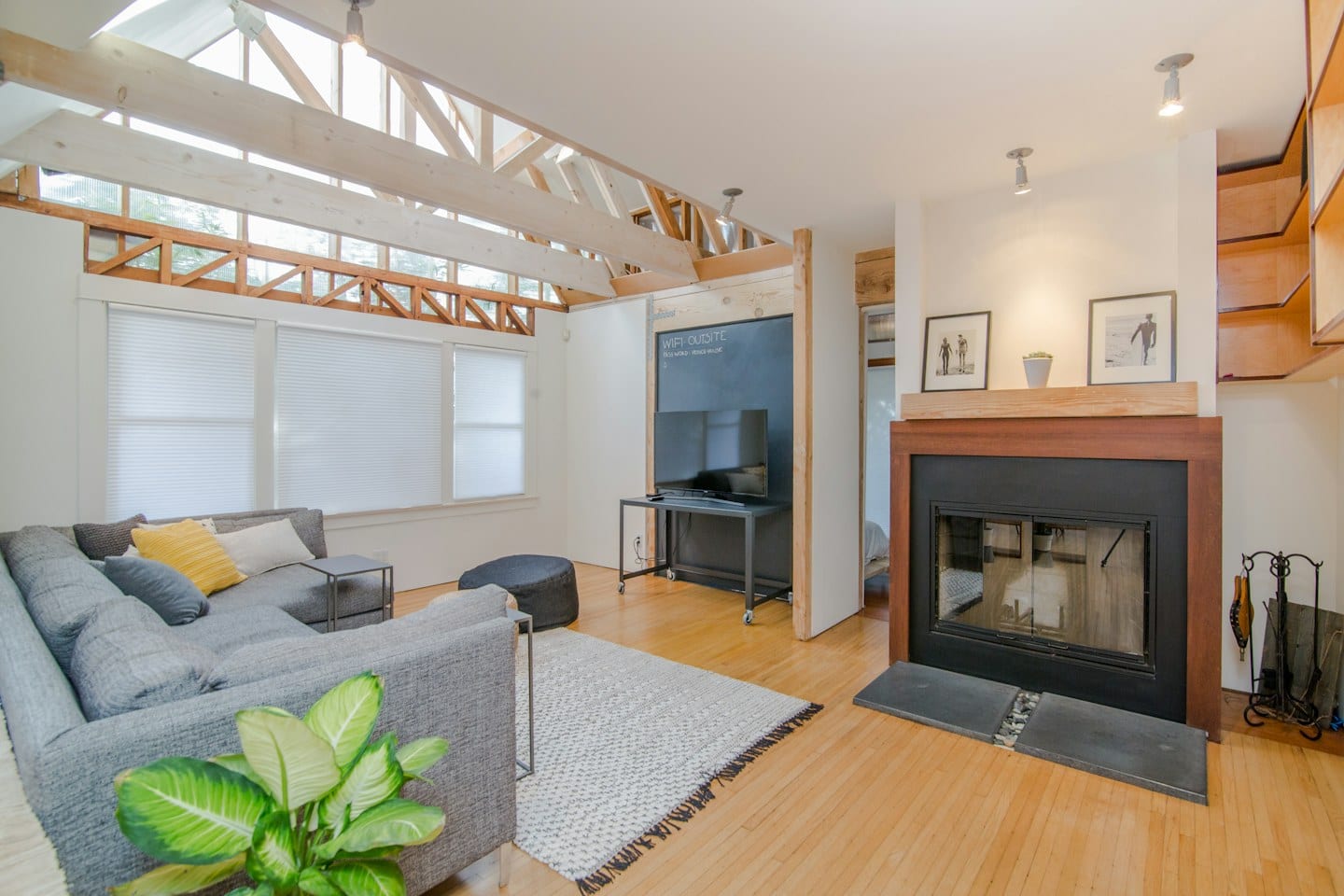
Selecting a new rug often feels like a search for the perfect color or texture, but the most significant impact on your home may actually be the way it dictates your movement. A rug is not just a visual anchor; it is a physical boundary that defines where you walk, where you sit, and where you pause. In a growing community where home layouts are constantly being repurposed, the way we navigate our rooms often shifts even when our goals for the space remain the same.
The Shift in Daily Motion
Consider how a change in your personal routine alters the geometry of a room. You might not be moving to a larger house or hosting grander events, but perhaps your daily habits have simply evolved. Maybe a new home office setup means you spend more time pacing between a desk and a window, or perhaps a shift in your evening ritual involves moving more frequently between the kitchen and a reading chair.
For example, if you have recently transitioned from working in a shared office to working from a corner of your living room, your primary walking paths have likely changed. A rug that once felt perfectly placed under a coffee table might now sit directly in the middle of your most frequent foot traffic, creating a constant obstacle or a tripping hazard. The goal is not to follow a specific design manual, but to ensure the new textile supports the way you actually live.
Tracing the Path
Before committing to a purchase, try creating a temporary map of your floor. Use painter's tape or large sheets of paper to outline the dimensions of the rug you are considering. This allows you to see the physical footprint without the permanence of a heavy textile. Once the outline is down, observe the room through the lens of your current routines.
Walk through the space as you would on a typical Tuesday evening. Do you find yourself stepping on the edge of the paper outline every time you head toward the hallway? Does the outline force you to take a wide, awkward detour around the dining table? These small friction points are often invisible when looking at a rug in a showroom, but they become glaringly obvious once they are integrated into your daily path.
Balancing Aesthetics and Flow
This process presents a meaningful tradeoff between visual impact and physical ease. A very large rug can unify a room and make it feel more cohesive, but it may also swallow up your walking paths, requiring you to step on and off the edges constantly. Conversely, a smaller rug might leave more open floor space for easy movement, but it could feel disconnected from your furniture.
As you evaluate your paper outlines, ask yourself which version of the room feels more intuitive. Does the larger size feel grounding, or does it feel like an obstacle? Does the smaller size feel airy, or does it feel like an island in the middle of a sea of floor? By testing the dimensions against your actual movement, you can choose a piece that fits your life as well as it fits your decor.