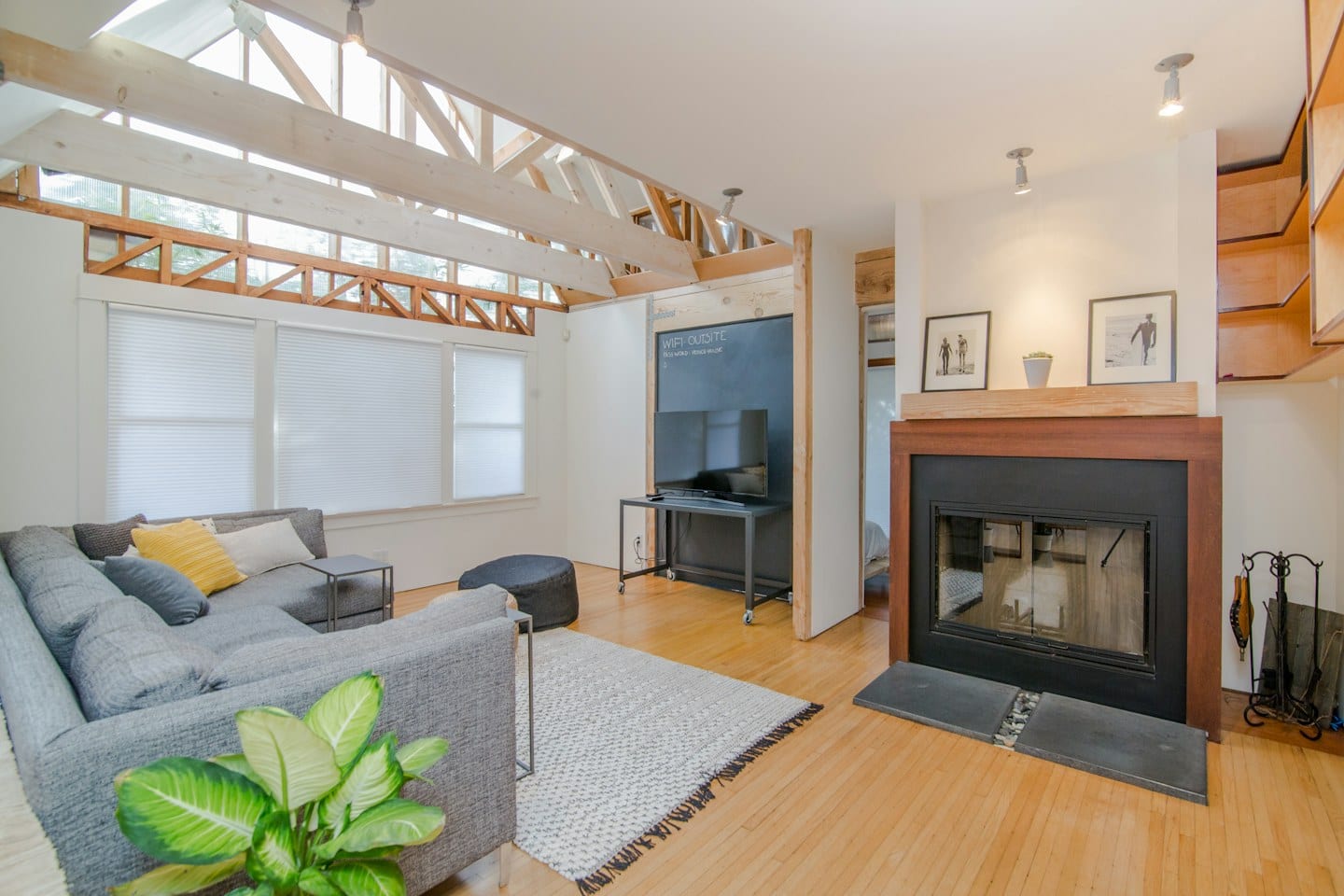
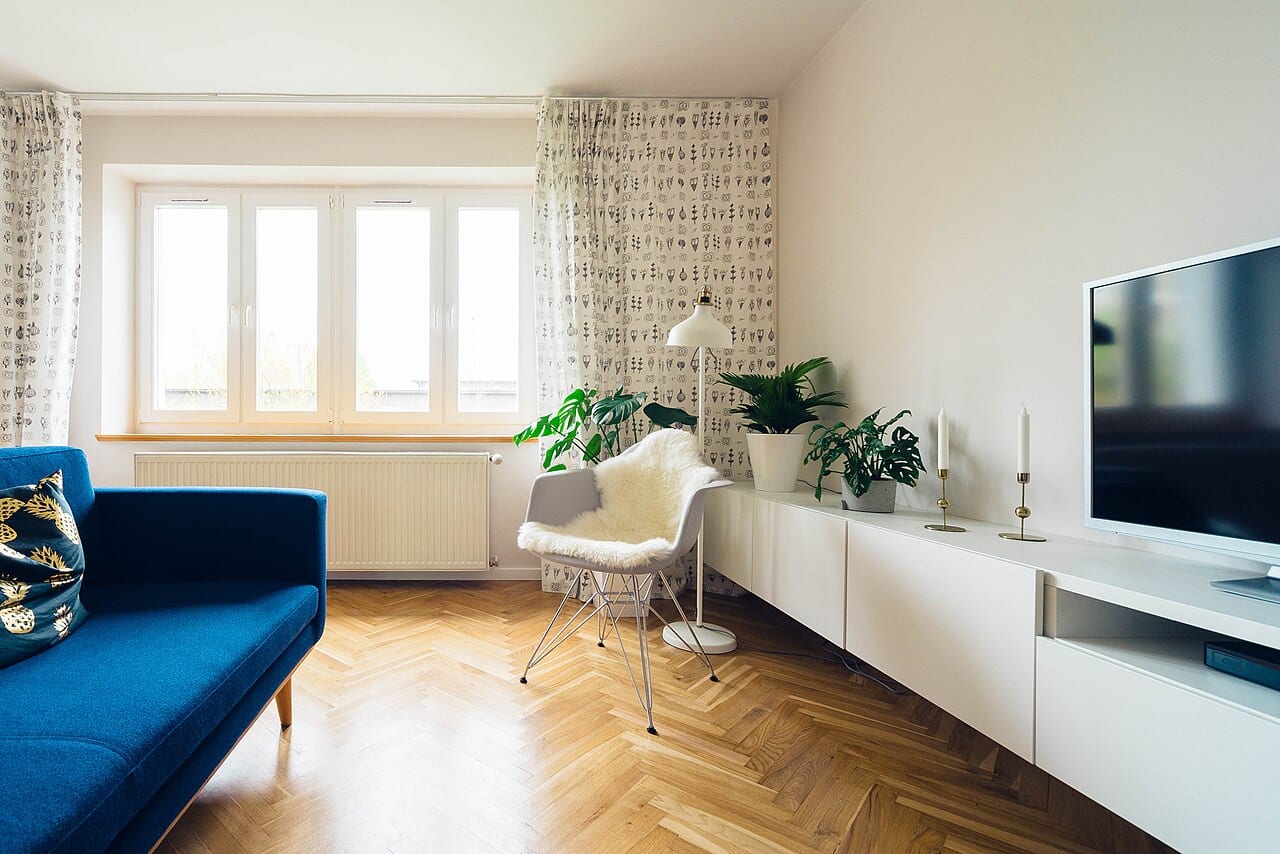
A rental room often arrives as a blank slate, but sometimes it arrives as a half-finished thought. You might find yourself moving into a space where a previous occupant left behind a specific aesthetic or an incomplete arrangement of furniture that no longer fits your lifestyle. Instead of feeling stuck with someone else's vision, you can treat the room as a temporary gallery for your own personality.
The Art of the Moveable Interior
The primary challenge of a rental is the tension between wanting a settled, cozy atmosphere and the necessity of keeping the walls and floors pristine. The most effective way to navigate this is through furniture that prioritizes mobility and modularity. Rather than heavy, solid wood pieces that require significant effort to reposition, consider lightweight frames or pieces designed to be easily reconfigured.
For example, if you find yourself with a room that feels cavernous and cold, you might choose to use tall, freestanding shelving units to create a sense of enclosure or a makeshift partition. This allows you to define a sleeping area separately from a workspace without ever touching a drill to a wall. The tradeoff involves a balance between stability and ease of movement; a heavy, sturdy desk provides a better surface for work, but a lightweight, collapsible option ensures you can rearrange the entire layout in a single afternoon.
Curating Personal Storage
Storage is often where a rental space begins to feel cluttered. When you cannot install custom cabinetry or built-in closets, you must look toward vertical and flexible solutions. Soft-sided storage bins, woven baskets, and rolling carts can hold your belongings while contributing to the room's texture. These items serve a dual purpose: they manage your daily essentials and act as decor elements that reflect your personal style.
Imagine you have inherited a room with very little closet space and an awkward corner that seems useless. Instead of leaving that corner empty, you could introduce a tiered shelving system or a slim, rolling utility cart. This transforms a dead zone into a functional pantry for snacks or a station for your hobby supplies, all while remaining entirely freestanding.
Navigating the Management Relationship
Even when your goal is to avoid permanent alterations, you may encounter situations where you feel the need to adjust the environment more significantly. If you find a fixture that is broken or a surface that requires attention, the best approach is direct inquiry rather than assumption. Before you attempt to fix a loose handle or replace a light fixture, ask your property management whether a specific change is permitted and who would be responsible for the installation and any subsequent maintenance.
If you are considering hanging heavy art or installing window treatments that require hardware, ask management what their specific preferences are for wall attachments. By framing your intentions as questions, you ensure that your efforts to improve the space align with their expectations, allowing you to enjoy your North Texas home with peace of mind.