This is a paid partner contribution. Commercial relationships are disclosed so readers can distinguish sponsored content from editorial guides.
A blank storefront or an empty office lobby presents a unique set of decisions. You might envision bold colors that command attention from the street, or perhaps you prefer subtle accents that guide visitors through a hallway. The transition from a mental concept to a physical installation involves several layers of coordination, from material selection to the final placement of the product.
Evaluating the Environment
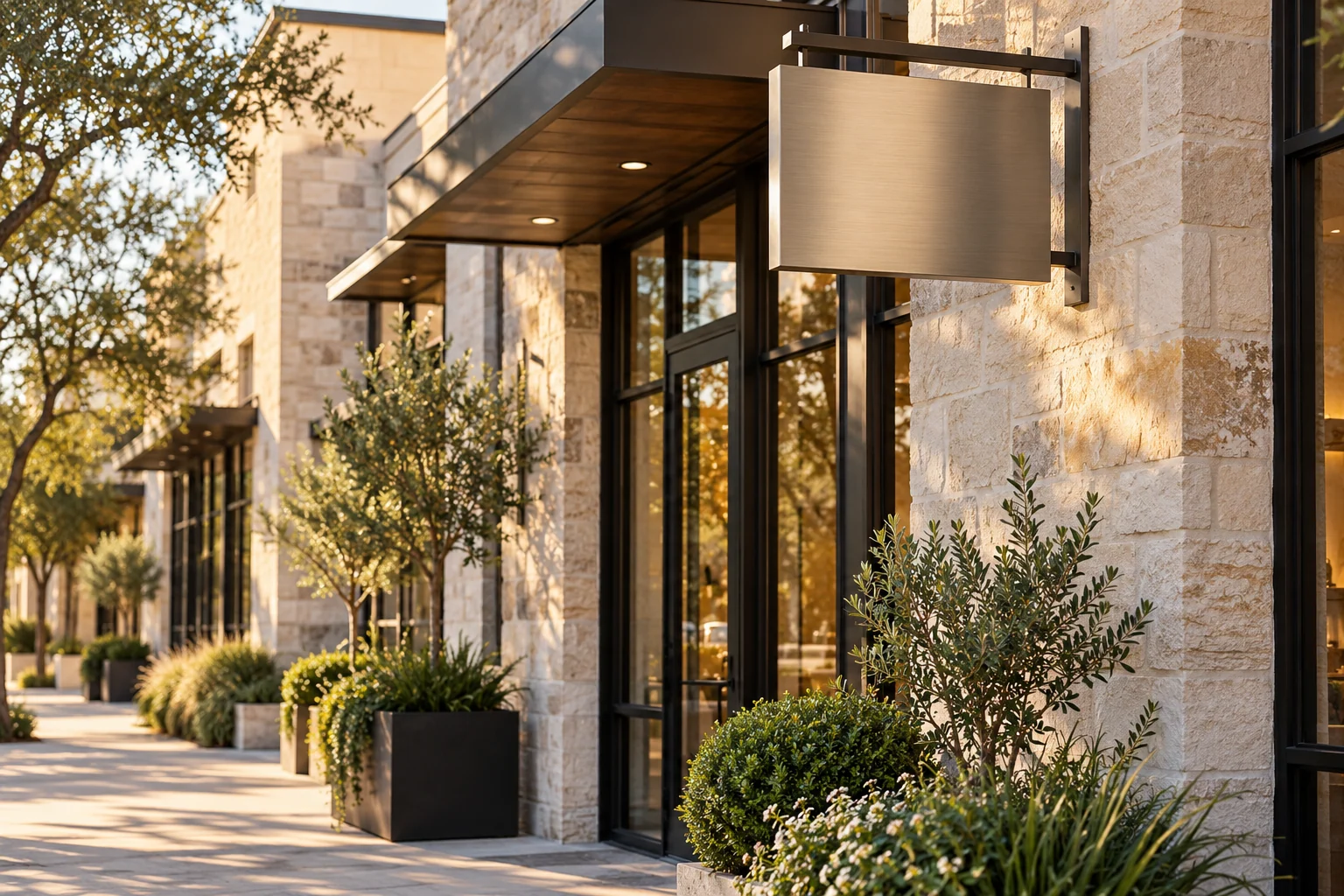
The physical setting of your business dictates much of the conversation you will have with a signage professional. An outdoor installation faces different environmental factors than a piece of decor inside a climate-controlled lobby. For example, if you are considering monument signs dallas, you must account for how the piece interacts with the curb, the landscaping, and the ambient light of the street. Conversely, interior elements like wall graphics Dallas depend entirely on the texture of your walls and the lighting within the room.
When you sit down to discuss your project, consider the specific surfaces where the signage will live. Ask the professional how the chosen material will interact with your existing walls or outdoor ground surfaces. You may want to inquire about how different finishes might react to the Texas sun or the specific lighting levels in your building.
Balancing Aesthetics and Utility
Every design choice involves a tradeoff between how a sign looks and how it functions. A large, brightly lit sign might be highly visible from a distance, but it could also overwhelm a small storefront or conflict with the architectural style of the neighborhood. A smaller, more understated sign might feel sophisticated, but it may not catch the eye of a driver passing by at high speeds.
Imagine a local boutique that wants to install a large, illuminated sign above its entrance. While the glow provides visibility during evening hours, the brightness might make it difficult for customers to see the window displays during the day. In this scenario, you must decide if the increased visibility is worth the change in the shop's daytime atmosphere. Ask your provider to help you visualize these different scenarios before any production begins.
Organizing Your Project Details
To make the most of a consultation, arrive with a clear set of observations about your space. Having measurements, photos of the intended installation sites, and a sense of your brand's color palette can help ground the conversation. Rather than asking what looks good, ask how specific recommendations address the dimensions and routines of the space you described.
Prepare a list of questions regarding the installation process itself. Ask who would perform the work and what the quoted labor arrangement includes. It is also helpful to ask about the timeline from the moment a design is approved to the moment the sign is fully installed. By focusing on these practical details, you can move from a vague idea to a concrete plan for your business environment.


