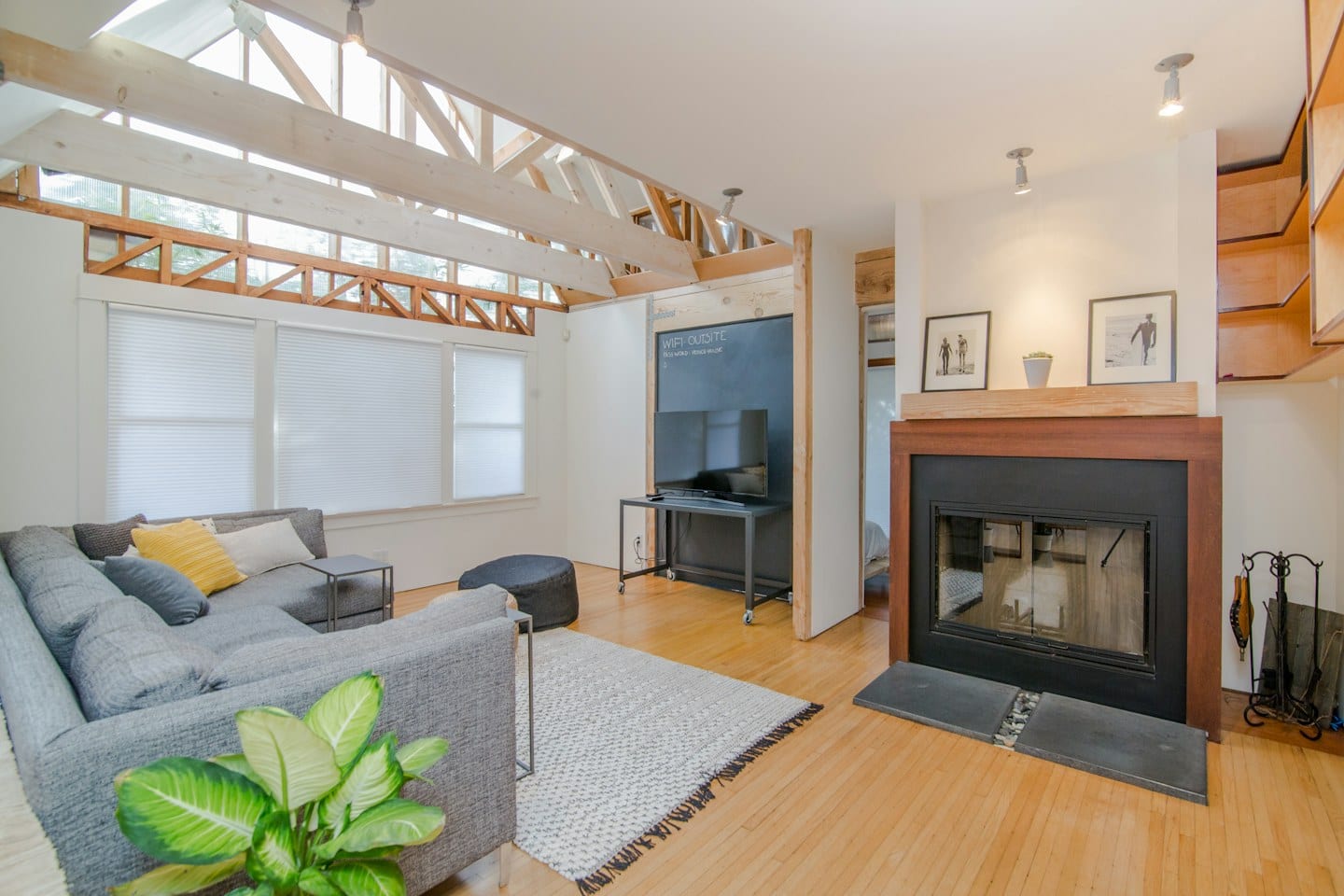
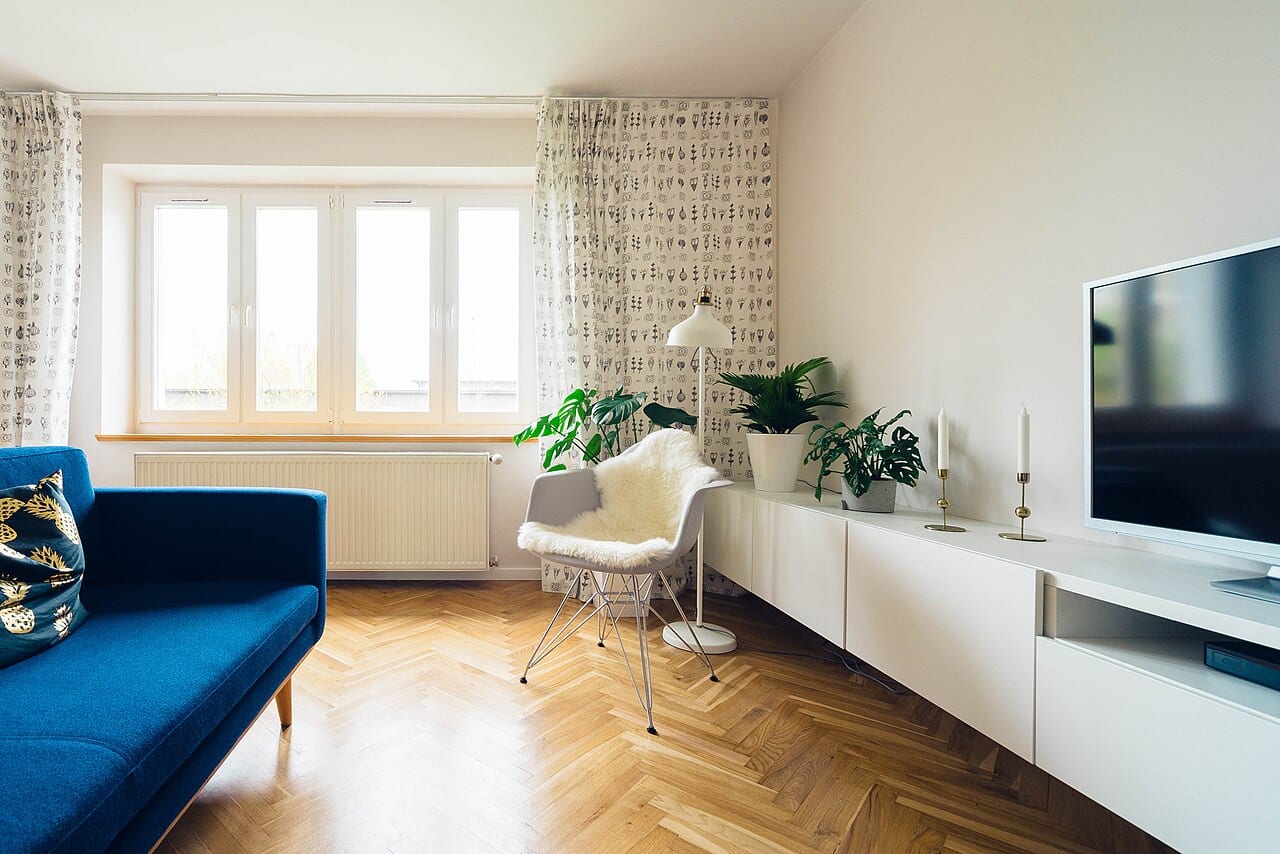
A single shelf can serve as a quiet gallery of personal history or a cluttered obstacle in a busy hallway. In North Texas homes where living spaces often bridge the gap between work zones and relaxation areas, the way we arrange our books, ceramics, and keepsakes dictates how we move through those rooms. When a collection grows, the tension between what we want to see and what we actually use becomes harder to ignore.
The Conflict of Curation
Deciding how to organize a growing library or a collection of stoneware often leads to a disagreement between two different philosophies: the aesthetic arrangement and the functional one. You might find yourself caught between these two descriptions. One perspective suggests a visual harmony, where spines are aligned by color or height to create a sense of calm and order. The other perspective prioritizes accessibility, placing the most frequently handled items at eye level and within easy reach, regardless of how they look together.
For example, if you have a collection of heavy art books and several small, delicate vases, the aesthetic approach might group the vases together on a high, decorative ledge to create a striking visual line. However, the functional approach would place those art books on a middle shelf where you can grab them during a quiet evening, while the vases might sit on a lower level where they are less likely to be bumped during a quick pass through the room.
Weighting the Tradeoffs
Choosing between these two methods involves a meaningful tradeoff. A purely visual arrangement creates a room that feels curated and "finished," which can be soothing in a formal sitting area. Yet, if your most-read novels are tucked away on the bottom shelf behind a row of decorative objects, the beauty of the shelf may eventually lead to frustration. Conversely, a purely functional arrangement ensures you always find what you need, but it can sometimes result in a look that feels disorganized or utilitarian.
To find a middle ground, consider a small rearrangement based on your actual daily routines. Start by identifying which items are part of your active life—the books you reference weekly or the bowls you use daily—and which are strictly for observation. You might decide to reserve the most prominent, eye-level real estate for a blend: a few high-use items placed alongside a single, striking decorative piece.
Testing the New Layout
Before committing to a permanent overhaul, try a temporary shift. Move a small cluster of items to a new position and observe how the room feels after a few days. Do you find yourself reaching for things more easily, or does the new visual pattern catch your eye in a way that makes the room feel more cohesive? If you find that the weight or the grouping of certain objects seems to affect the stability of your shelving units, ask a professional about the specific load capacities of your furniture to ensure your new arrangement remains secure.
Ultimately, the most successful shelf is one that reflects how you actually live. By testing a hybrid of visual appeal and frequent use, you can create a display that serves both your eyes and your habits.