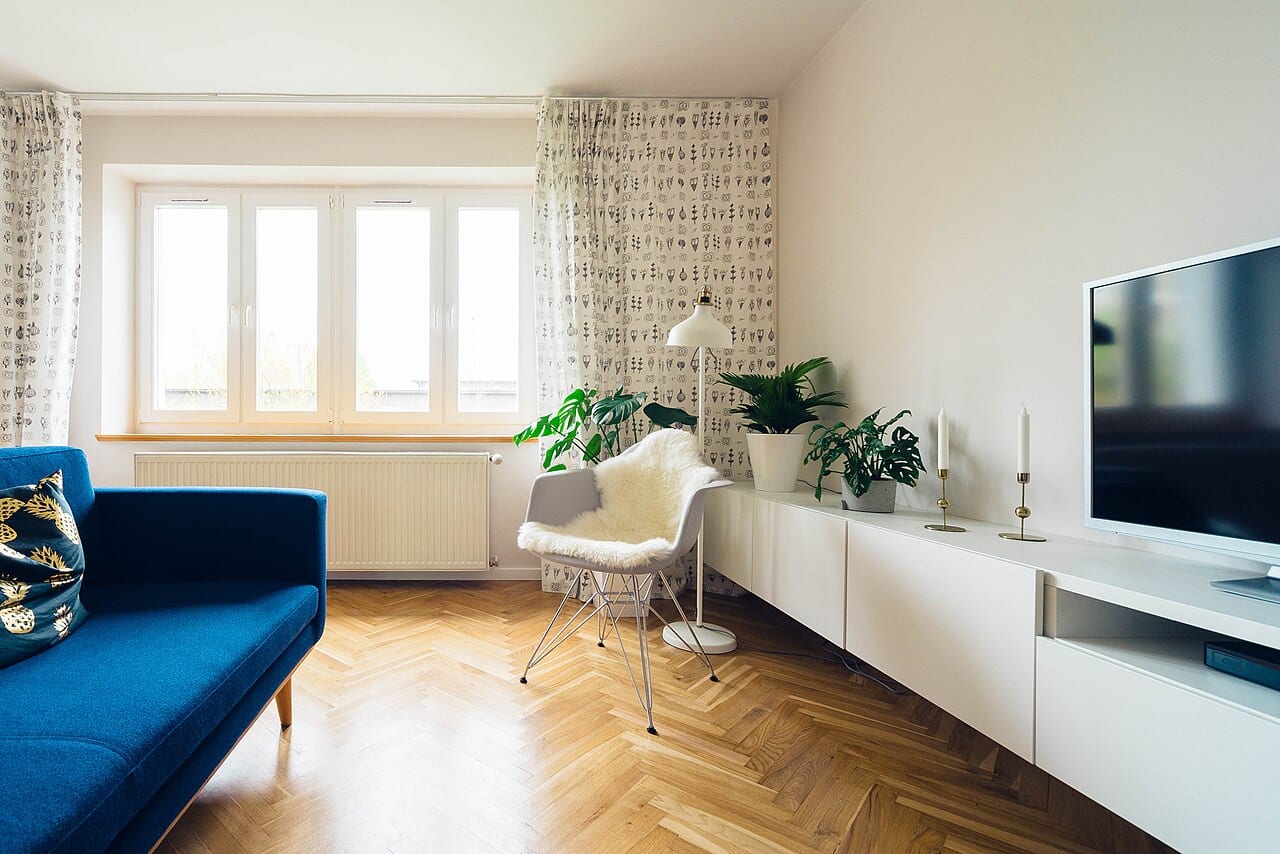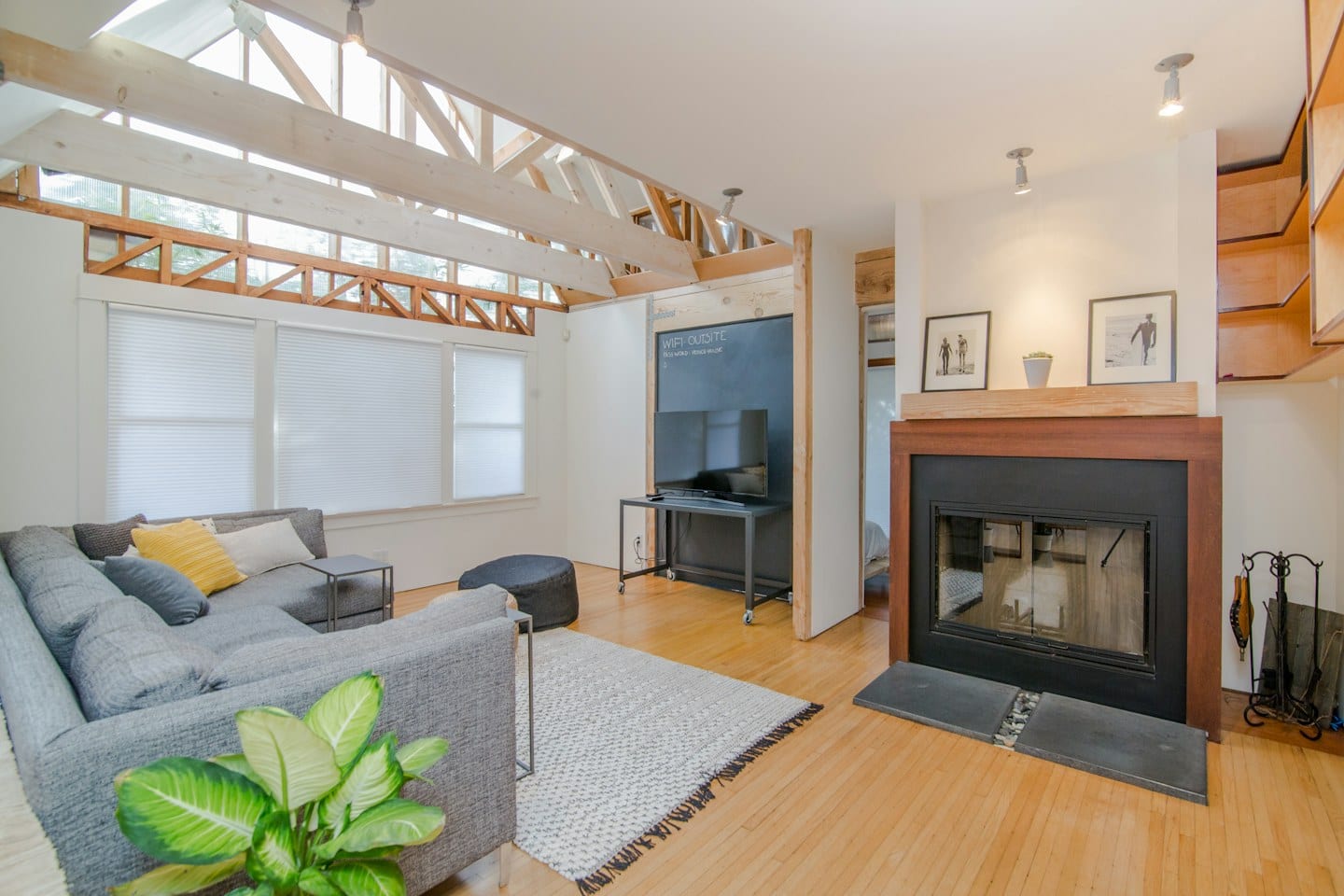
A new sofa sits in the middle of a living room, representing more than just a place to sit. It is the first major intersection of two distinct lifestyles, a physical manifestation of how two people intend to inhabit a shared space. In the growing neighborhoods of North Texas, where new homes often mean new beginnings, the challenge is rarely about finding a piece that fits the floor plan; it is about finding a piece that fits the people.
The Weight of Differing Priorities
Conflict often arises when one person prioritizes the aesthetic of a room while the other focuses on its utility. One partner might envision a sleek, low-profile velvet sectional that anchors the room with contemporary elegance. The other might see a practical necessity: a sturdy, deep-seated fabric piece that can withstand a Friday night movie marathon or a spilled glass of iced tea. These are not merely disagreements over color or fabric; they are different visions of what a home is for.
For example, if one person values a minimalist look that keeps the room feeling airy and open, they may push for furniture with slim legs and neutral tones. Meanwhile, their partner may prioritize comfort and durability, leaning toward oversized cushions and heavier materials. The tradeoff here is between the visual lightness of the room and the physical ease of the inhabitants. Choosing one extreme often means sacrificing a core need of the other.
Building a Shared Brief
Rather than debating individual items, start by creating a shared set of requirements. Before browsing showrooms or scrolling through digital catalogs, sit down and define what the furniture must do. Does it need to accommodate guests? Should it be easy to clean? Does it need to serve as a workspace during the day? By turning vague preferences into a concrete list of uses, the conversation shifts from "I like this" to "This meets our needs."
Once you have a list, compare your options against these actual uses. If a beautiful leather piece is the top contender but one person is concerned about its temperature or maintenance, ask how that specific material aligns with your daily routines. If a modular setup offers great flexibility but lacks the cohesive look one partner desires, weigh whether the adaptability is worth the aesthetic compromise.
Navigating the Final Selection
Deciding how to make the final choice is as important as the choice itself. You might agree to a system where one person chooses the silhouette and the other selects the fabric, or perhaps you decide that if a piece meets all the functional requirements, the visual style becomes secondary. If you find yourselves stuck on technical details regarding assembly or long-term wear, ask a showroom specialist how the construction handles daily use. Ultimately, the goal is to select a piece that allows both people to feel at home in the space they are building together.