This is a paid partner contribution. Commercial relationships are disclosed so readers can distinguish sponsored content from editorial guides.
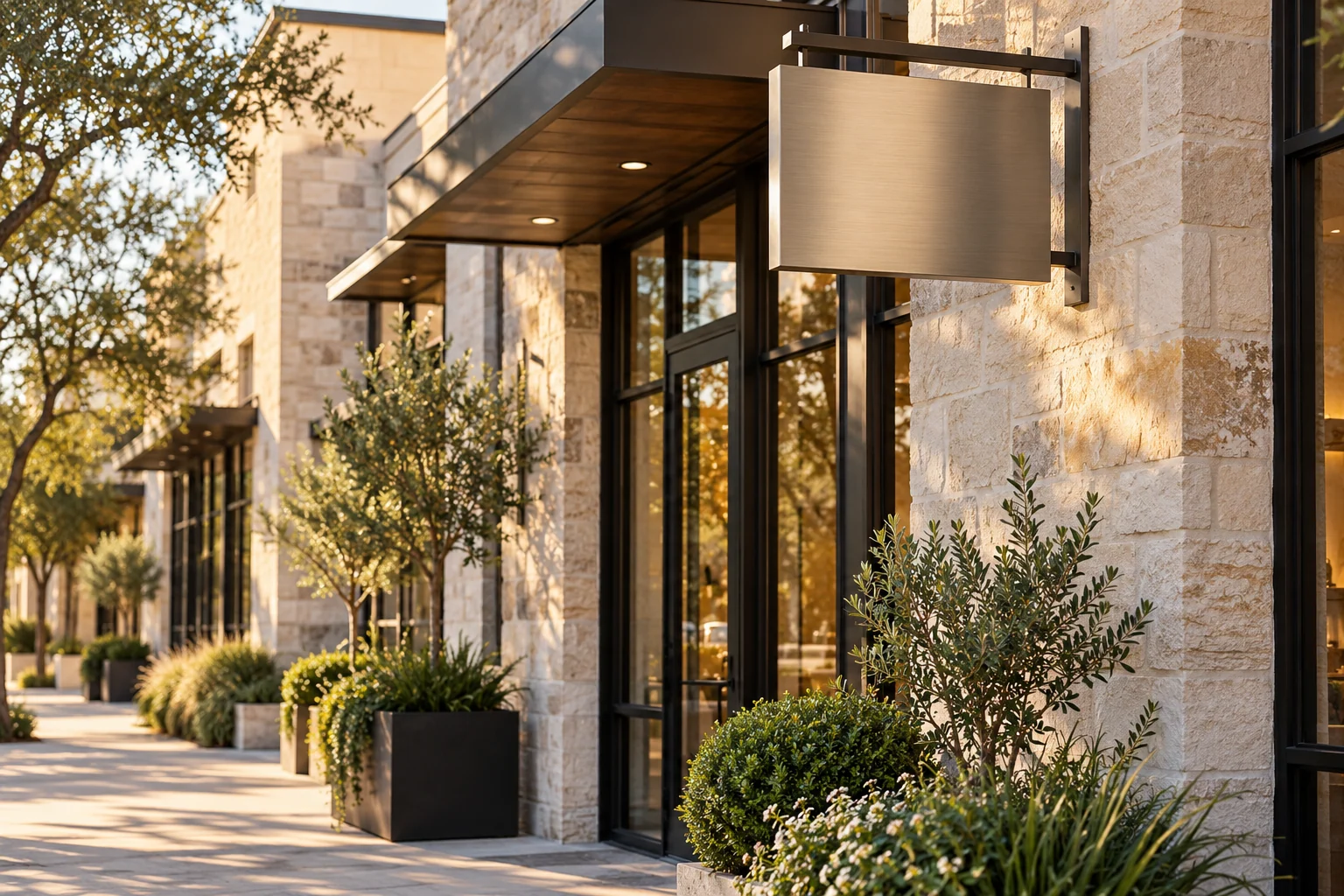
A storefront window or a directional sign in a parking lot serves as a silent communicator. When these elements are outdated, damaged, or simply no longer reflect a current brand, the decision to update them requires balancing aesthetic goals with the physical realities of the site. Choosing between a subtle update and a complete overhaul is a central part of the process.
Evaluating the Current State
Before looking at new colors or materials, observe what is currently in place. Note how the existing signage interacts with the light at different times of the day and how it stands out against the building's facade. Is the material holding up against the Texas sun, or is the color fading? Identifying these specific observations helps in determining whether the current setup needs a minor adjustment or a total replacement.
For example, if a business owner notices that their current lettering is peeling at the edges, they must decide if the issue is the adhesive, the material itself, or the surface it is attached to. This observation dictates whether they should seek a simple patch or look into removing an old sign and installing the replacement.
The Tradeoff of Scale and Visibility
Size and placement present a constant tradeoff. A massive, brightly colored sign may catch the eye of drivers from a distance, but it might also overwhelm the architecture of a historic building or clash with neighboring storefronts. Conversely, a small, elegant sign might look sophisticated up close but remain invisible to someone passing by in a vehicle.
When weighing these options, consider the specific way people interact with your location. Are they walking slowly on a sidewalk, or are they driving at high speeds on a nearby thoroughfare? The choice of scale should match the speed and distance of your intended audience. Ask a professional how the dimensions and placement they suggest account for the specific sightlines of your property.
Preparing for the Conversation
To get the most out of a consultation, arrive with a clear set of observations and questions. Instead of asking for a general recommendation, provide details about your environment. Mention the specific lighting conditions, the texture of your walls, and the typical weather patterns in your immediate area. This allows for a more tailored discussion regarding materials and mounting methods.
You may want to ask: What specific materials are recommended for this particular surface? and How will the proposed installation affect the existing structure? Keeping a record of these responses and any provided samples will help you compare different proposals side-by-side. You can find more information regarding local updates and developments by checking FASTSIGNS of Dallas news.
Ultimately, the decision rests on how you want your space to be perceived. By documenting your current signage's condition and asking targeted questions about placement and durability, you move from a vague idea to a concrete plan for your property's visual identity.


