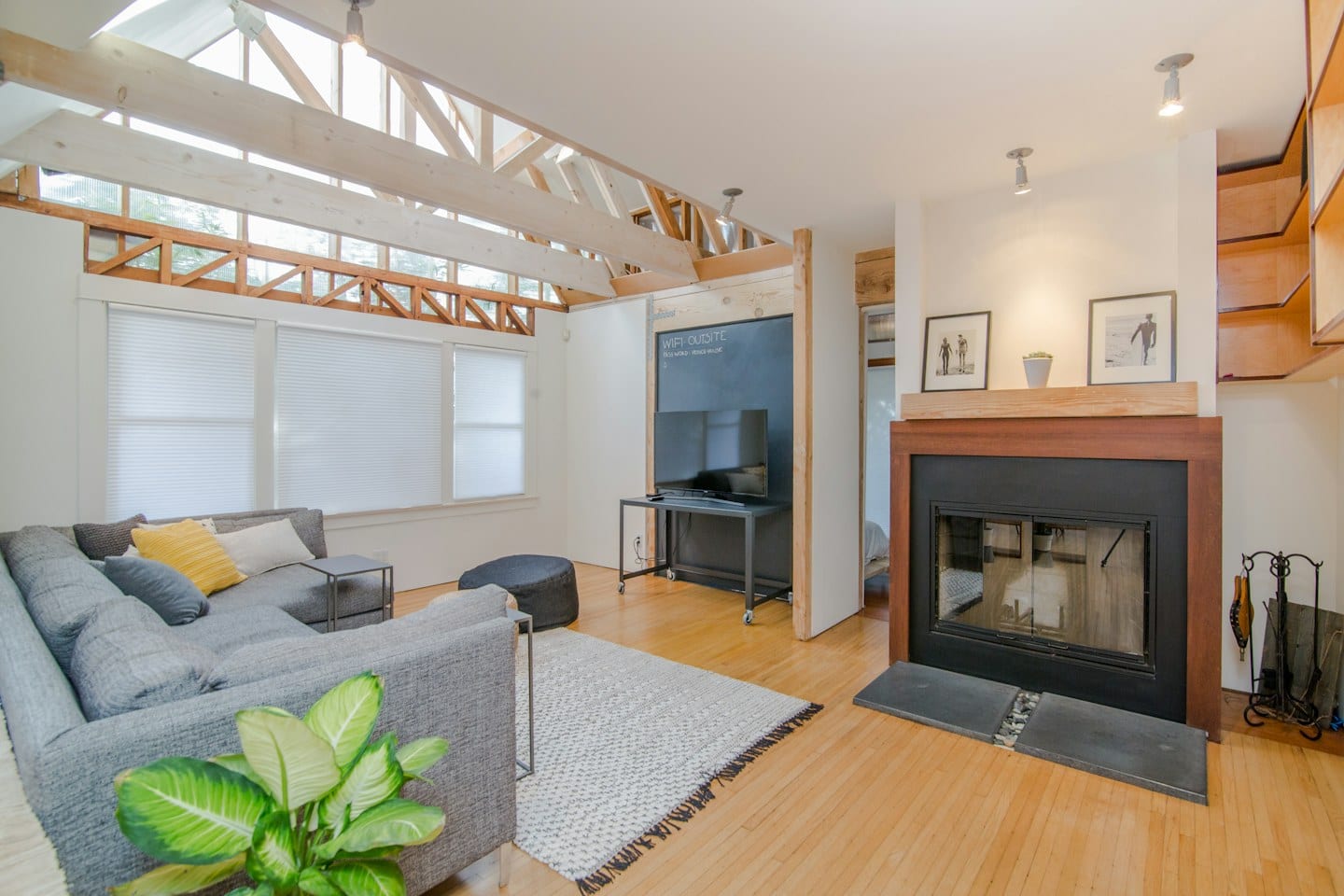
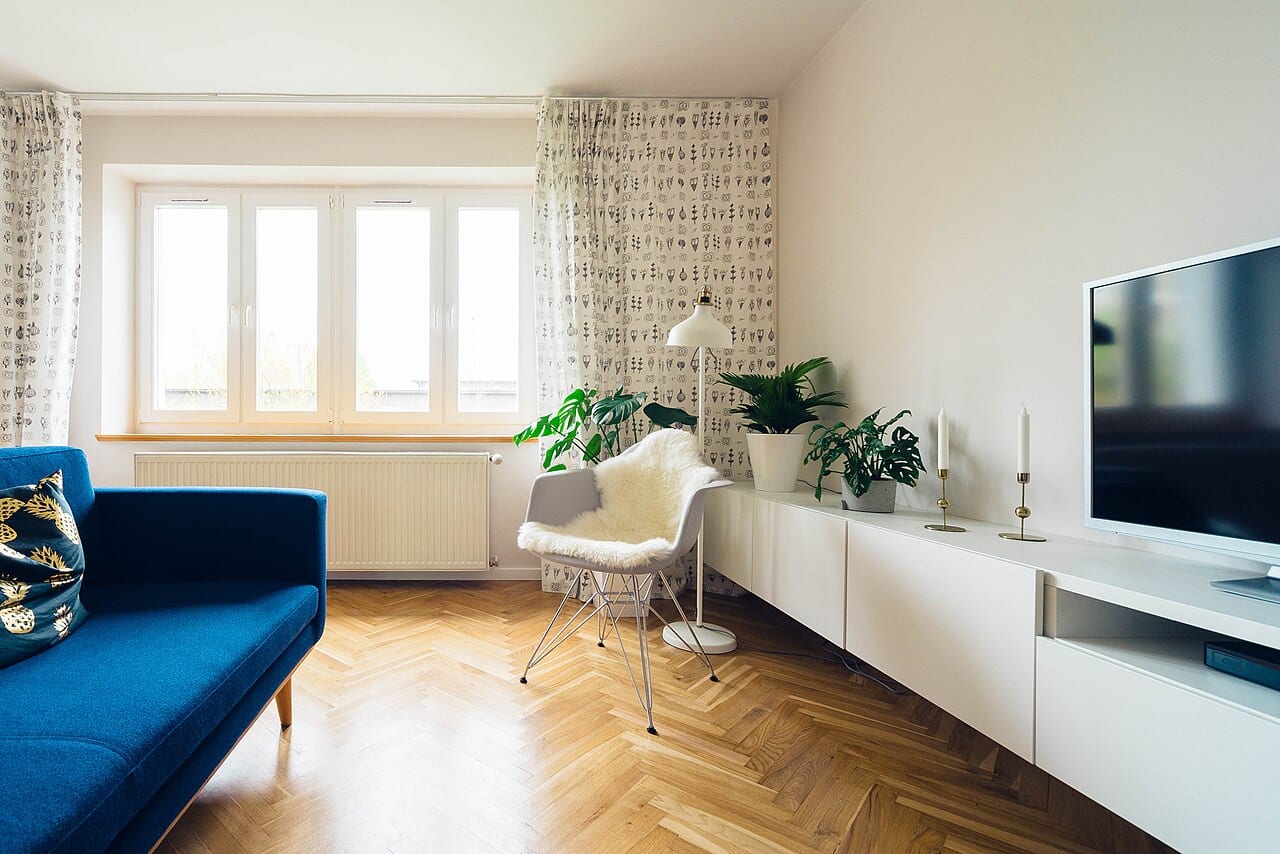
Selecting a corner of a home for a dedicated purpose—be it a reading nook, a remote workstation, or a quiet place to unwind—often begins with a mental image. You might envision a sun-drenched alcove or a secluded corner tucked away from the main thoroughfares of the house. However, the transition from a mental image to a physical reality can be complicated when the descriptions you receive do not align.
The Discrepancy of Descriptions
Consider a situation where you are evaluating a potential space based on conflicting accounts. Perhaps a real estate listing describes a room as a "peaceful retreat," while a person who lives in the house mentions it is the primary thoroughfare for family members moving between the kitchen and the laundry room. Or, one source might call a corner "bright and airy," while another notes that the afternoon sun makes the area uncomfortably warm for extended sitting. These contradictions are not necessarily errors; they are often just different perspectives on the same physical reality.
When descriptions diverge, the burden of truth shifts from the words on a page to your own sensory observations. Relying on a single viewpoint can lead to a space that looks perfect in a photograph but fails to support your actual lifestyle. The goal is to move past the adjectives and look at the mechanics of how the space functions during your most important hours.
Testing the Rhythm of a Space
To resolve these contradictions, you must observe the room through the lens of your own routine. A space that feels quiet at ten in the morning might be the loudest part of the house during the evening rush. For example, if you intend to use a corner for focused reading, you might find that the ambient sounds of a nearby appliance or the movement of people in an adjacent room interrupt your concentration more than expected.
One way to test these variables is to utilize a movable setup. Instead of committing to heavy, permanent furniture, try arranging lightweight chairs, small tables, or even floor cushions in the area of interest. This allows you to shift your position slightly to see if a different angle mitigates an interruption or catches a better quality of light. You are looking for the tradeoff between convenience and comfort: is the proximity to a window worth the potential glare, or is the seclusion of a corner worth the lack of natural light?
Observing the Details
As you evaluate these potential spots, pay close attention to the sensory details that descriptions often omit. Notice how the light shifts as the sun moves across the North Texas sky. Observe the patterns of movement in the surrounding rooms. If you find that a space remains inconsistent with your needs despite your adjustments, you may need to seek further clarity. Ask the current occupants or a professional about the specific ways the room is used throughout a full twenty-four-hour cycle. By prioritizing your own observations over conflicting accounts, you can choose a corner that truly fits your life.