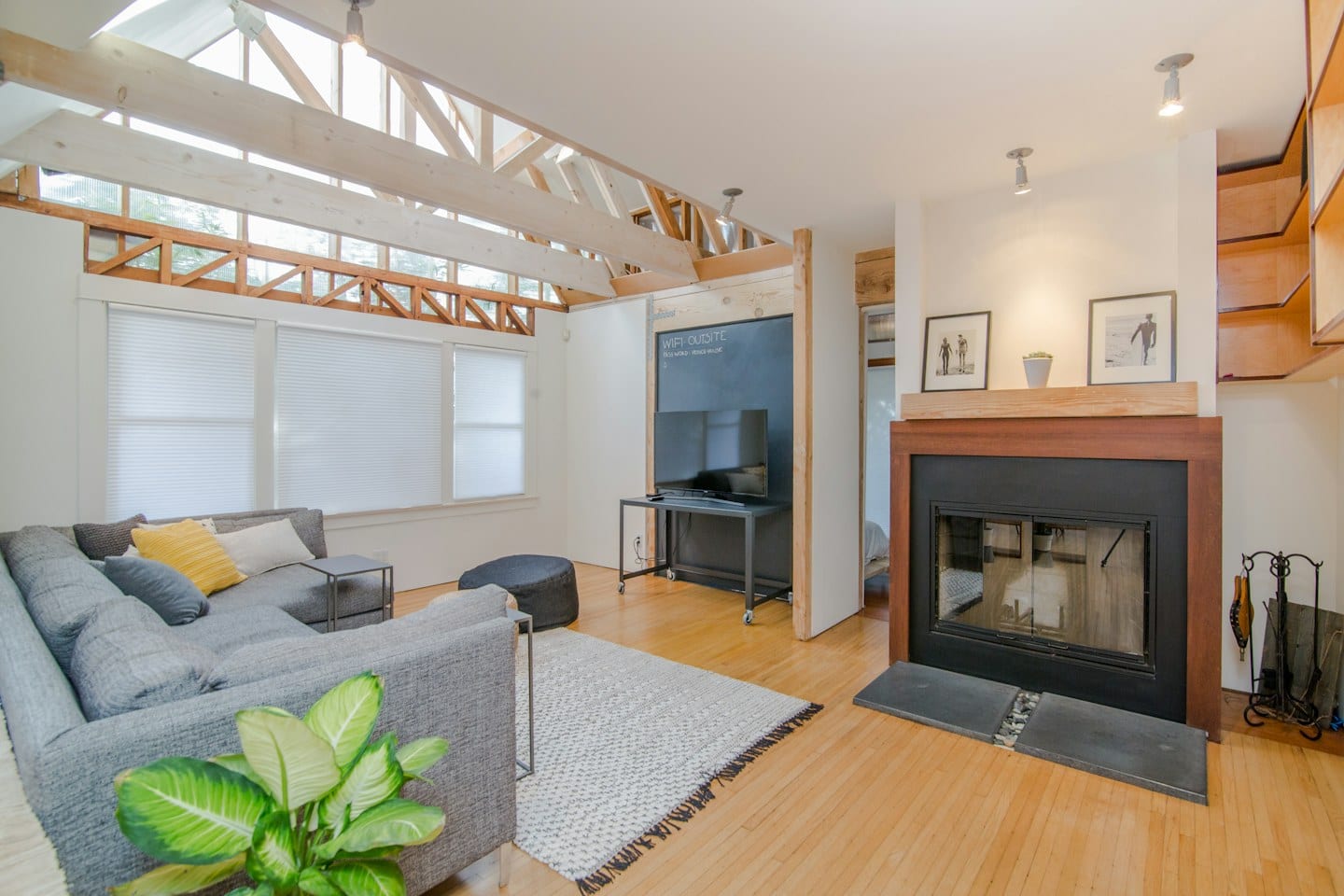
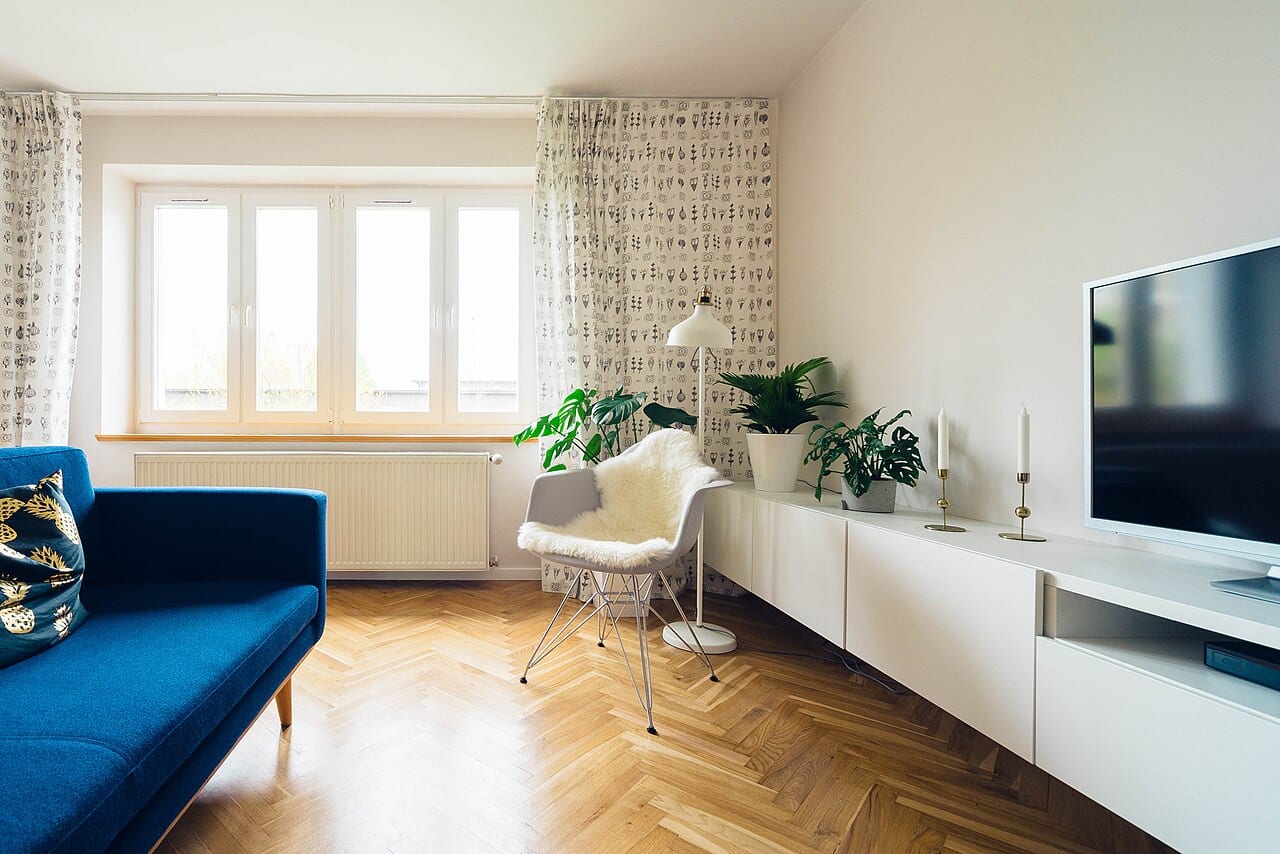
The view from a living room window can define the mood of a home. One moment, it is a portal to a sun-drenched afternoon; the next, it is a source of glare that makes reading difficult or a transparent pane that leaves the interior feeling exposed to the street.
The Tug of War Over Sunlight
Selecting window treatments is rarely a solitary decision. In many households, the choice becomes a delicate negotiation between two distinct sets of priorities. One person might prioritize the aesthetic of a room, seeking textures that soften the edges of the space or colors that complement the existing furniture. They may want the windows to feel open, unobstructed, and integrated into the room's design.
The other person might prioritize the functional utility of the space. For them, the primary concerns are the angle of the sun and the level of seclusion from neighbors. They may seek a way to block the heat of the midday sun or ensure that the evening activities in the kitchen remain private from the sidewalk. This creates a meaningful tradeoff: the more you obscure the view to gain privacy, the more you may sacrifice the natural light that makes a room feel expansive.
Finding a Middle Ground
For example, if a couple is redecorating a breakfast nook, one might argue for sheer, flowing fabrics that catch the breeze and let in a soft glow. The other might worry that these same fabrics will allow passersby to see directly onto the dining table during morning coffee. The decision rests on finding a solution that addresses both the desire for a beautiful, airy atmosphere and the need for a sense of enclosure.
When evaluating options, observe how the light moves through your specific rooms at different times of the day. Note where the glare hits your television screen or your desk. Observe how much of the street or the neighbor's yard is visible from your preferred seating positions. These observations will help you articulate what you actually need from a window covering beyond mere decoration.
Questions for the Specialist
Once you have identified your personal priorities, you can consult a supplier to see how those needs might be met. Rather than focusing on technical specifications, focus on the outcomes you want to achieve. You might ask a professional how a particular suggestion manages the balance between light and privacy. Ask how the proposed material handles the intensity of the sun in a specific direction. You could also ask how the installation affects the overall look of the window frame and whether the chosen option allows for the level of control you require during different hours of the day.
Ultimately, the right choice is the one that reconciles these competing interests. By identifying your specific observations regarding light and seclusion, you can move toward a solution that satisfies both the visual and functional demands of your home.