A single photograph can anchor a project, providing a visual heartbeat that resonates with an audience. Whether you are preparing a layout for a local community journal or documenting a cultural event, the image you choose does more than fill a rectangular void; it sets the tone for the entire narrative. However, the process of selecting an image involves more than just picking a frame that looks pleasing to the eye. The decision requires a careful balance of visual intent, practical utility, and the specific context in which the image will live.
The Weight of the Narrative
Visual storytelling is rarely about a universal standard of perfection. One photographer might capture a sharp, high-contrast portrait that emphasizes the grit of urban life, while another might offer a soft, ambient shot that evokes a sense of nostalgia. The decision rests on how the image interacts with your specific text. An image that is technically flawless but emotionally disconnected can sometimes be less effective than a grainy, candid shot that captures a fleeting, genuine moment of connection.
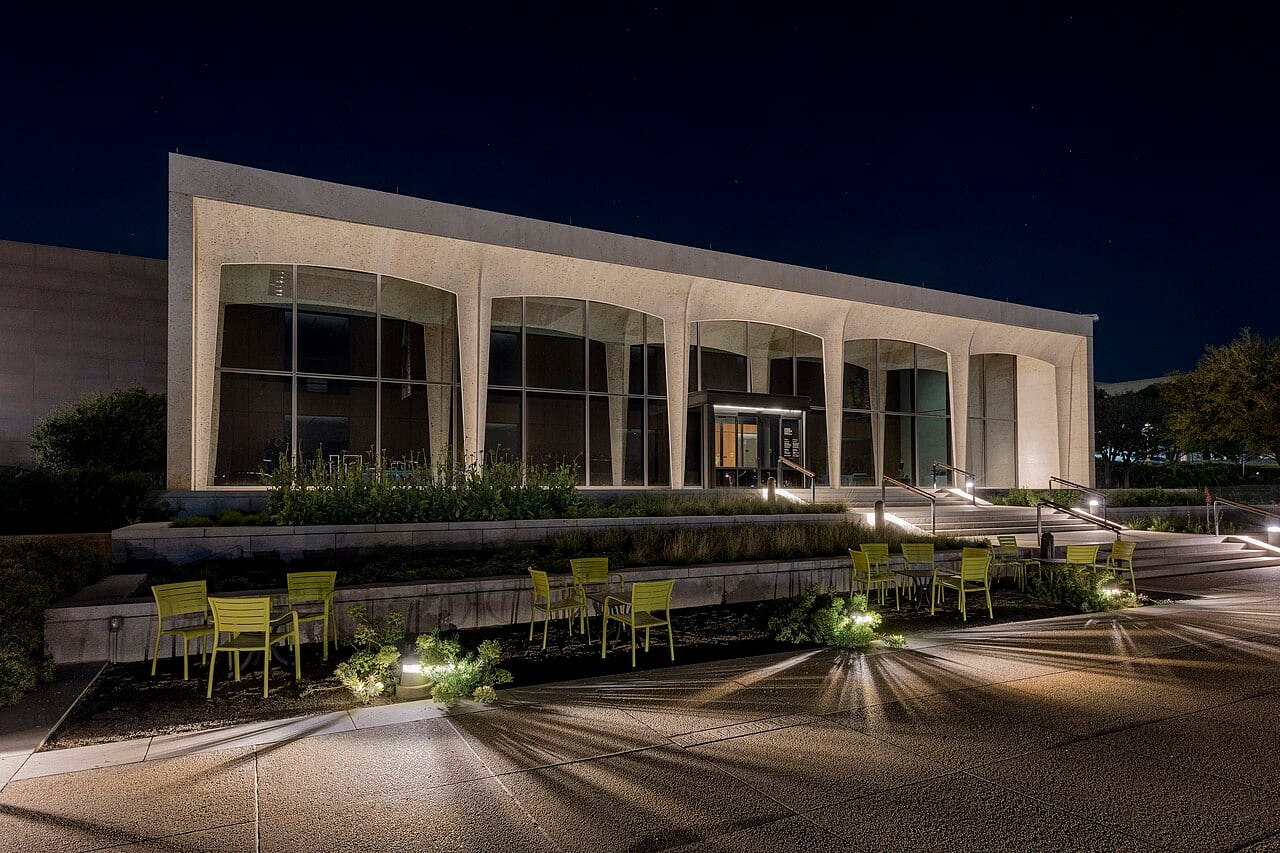
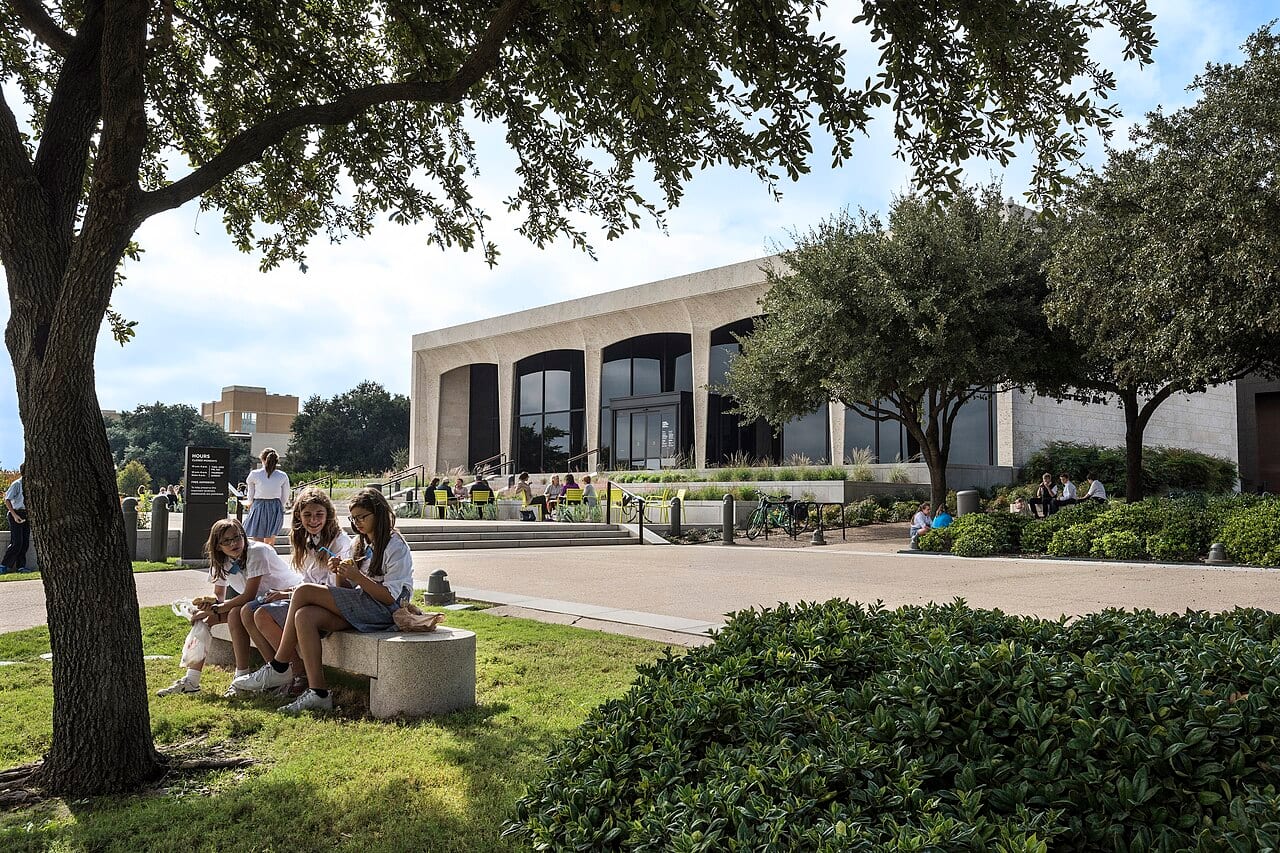
The tradeoff often involves a choice between clarity and atmosphere. A highly detailed photograph provides literal information about a setting, whereas a more abstract or mood-driven image invites the viewer to feel a certain way. For example, if you are designing a brochure for a new community center, you might face a choice between a crisp, wide-angle shot of the architecture and a tight, warm close-up of people interacting in the lounge. The former provides a sense of place and scale, while the latter provides a sense of belonging. Neither is objectively better, but they serve different communicative goals.
Context and Permission
Beyond the aesthetic, the practicalities of how an image is used are paramount. An image selected for a personal blog carries different requirements than one intended for a commercial publication or a public exhibition. The context of the display dictates the level of scrutiny required regarding the subjects within the frame and the rights to the work itself.
The intended use of those photos becomes a central part of your initial conversation with a professional. If you plan to use the images for social media, printed brochures, and a website, the scope of the arrangement must reflect those diverse needs. You might find that an image captured in a private setting requires different considerations than one taken in a public plaza. Understanding these distinctions early prevents complications once the project moves into production.
Preparing Your Inquiry
When you move from browsing portfolios to requesting a quote, the quality of your questions will shape the final result. Instead of seeking a specific "style," focus on the utility of the image for your specific project. This ensures that the photographer understands the functional requirements of the assignment.
Ask the photographer how their typical process addresses the specific environments or subjects you have described. Inquire about what is included in their quoted arrangement regarding the delivery of files and the intended scope of use. You should also ask how they manage the permissions or rights associated with the subjects they photograph. By focusing on these logistical and narrative details, you ensure that the final image serves both your visual and practical goals, moving beyond mere aesthetics to find a tool that truly tells your story.